

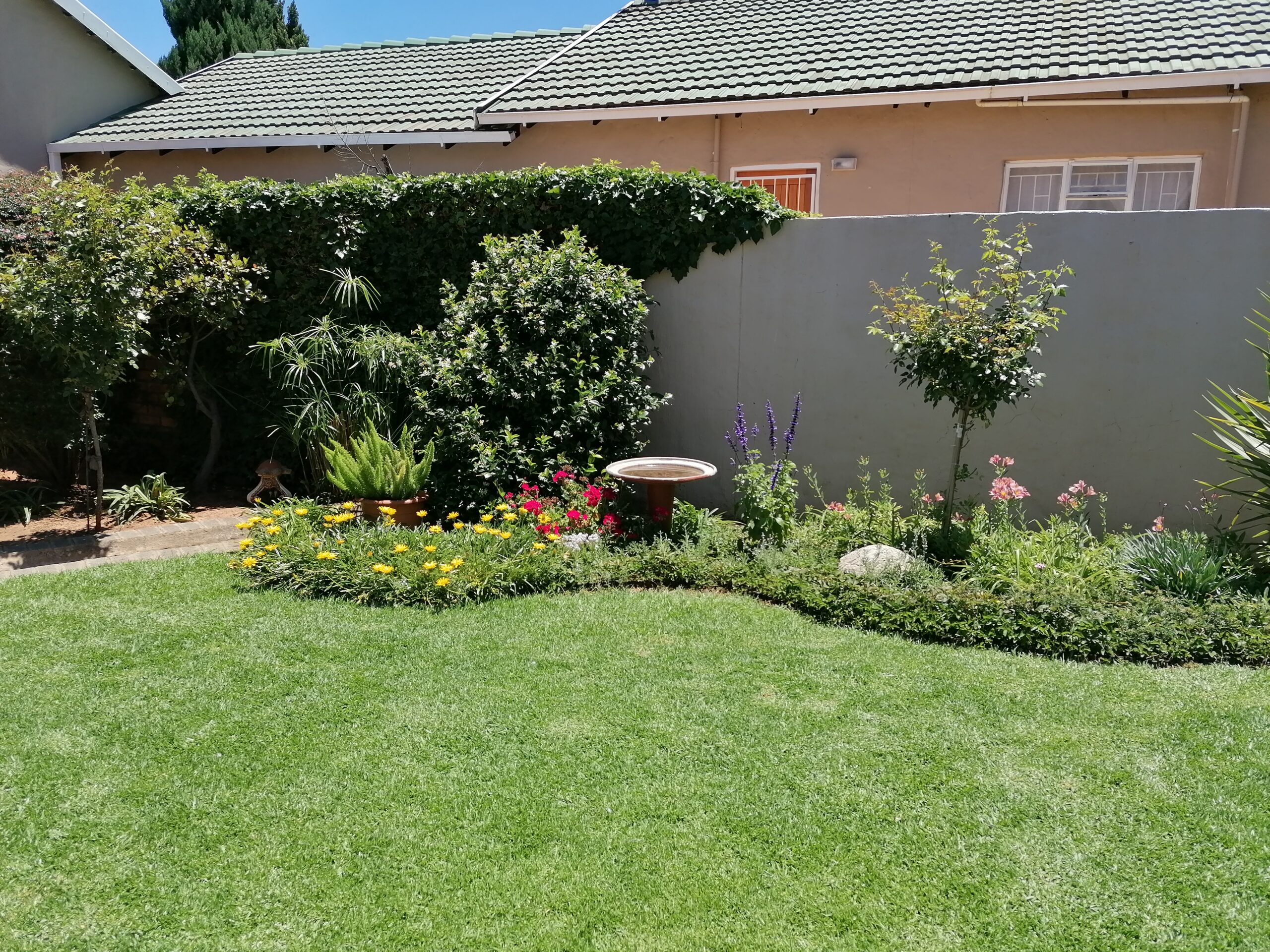
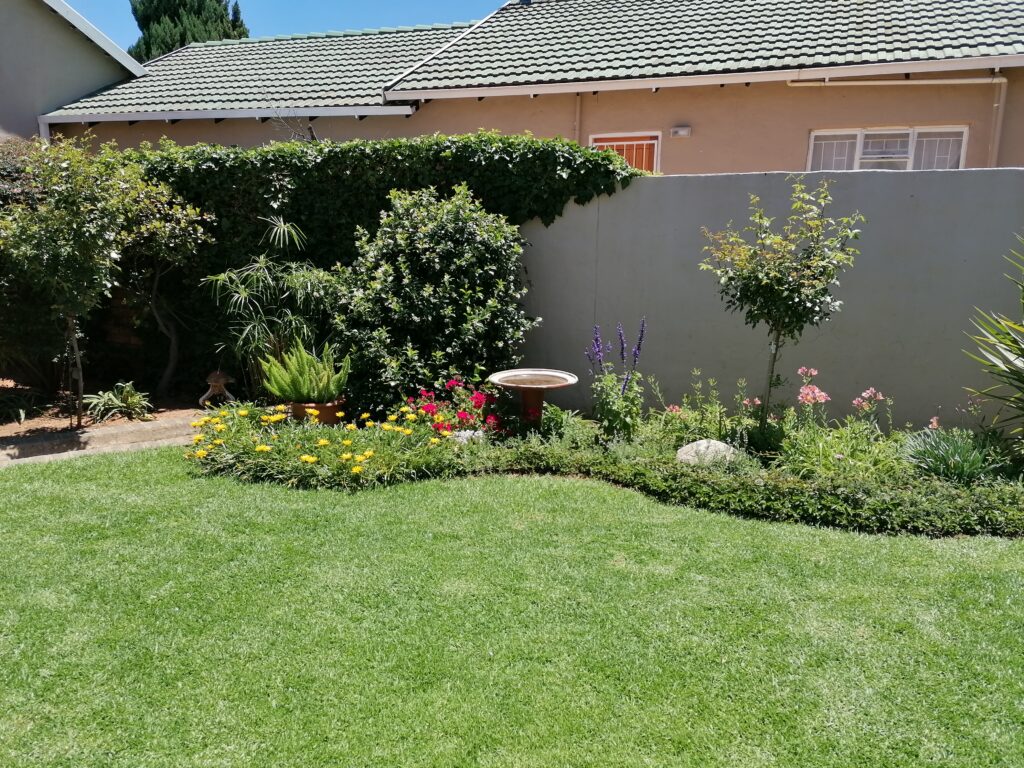
We often sit in our gardens, admiring the green lawns, colourful flowers, trees, birds and butterflies. Occasionally, we may spot a spider, ladybird or praying mantis. Yet beneath our feet lies a remarkable hidden world populated by tiny creatures known as mites. A small survey of oribatid mites in my own garden in a townhouse complex in Langenhovenpark, Bloemfontein, revealed eleven species of these minute arachnids.
Oribatid mites are tiny, wingless, eight-legged animals, typically measuring between 0.2 and 0.8 mm in length. They are commonly known as ’beetle mites’ because of their hard, armoured bodies. They pass through several life stages, and in temperate regions their life cycle may take one to two years to complete. More than 11,000 oribatid species have been described worldwide, of which approximately 540 occur in South Africa. Beetle mites can reach extremely high densities in soil, leaf litter, moss and decaying organic matter, where they feed primarily on fungi, microscopic algae and dead plant material. Their most important ecological role is the decomposition of organic matter, thereby contributing to nutrient cycling and maintaining healthy soils.
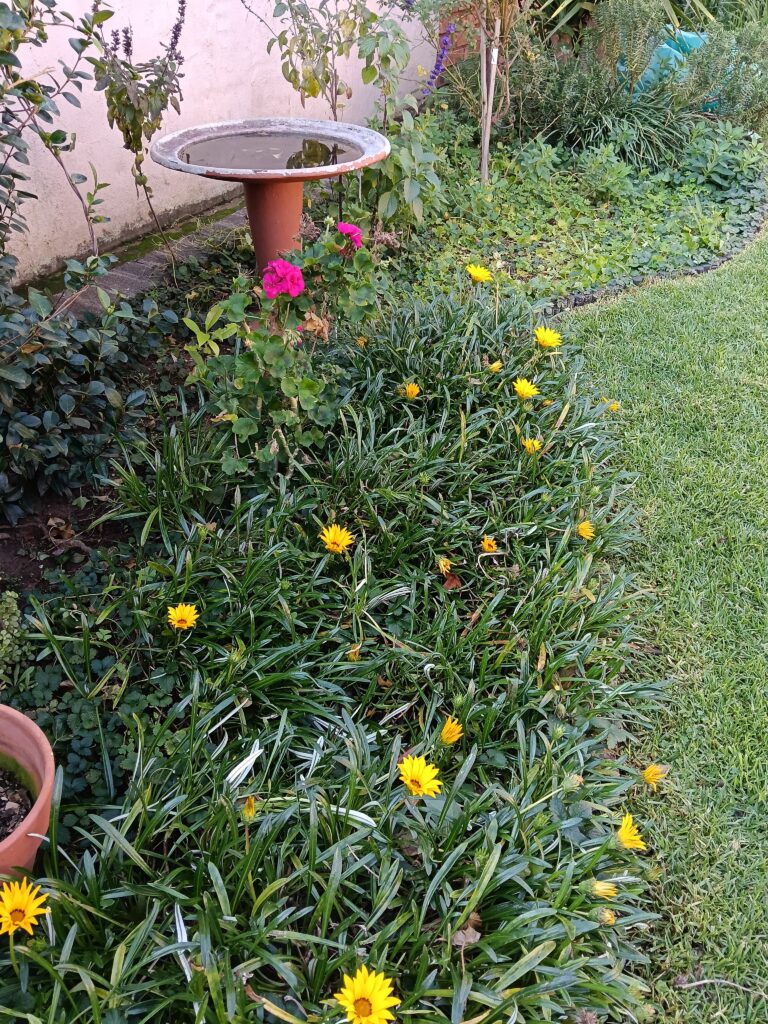
In May 2026, I collected two small soil samples from my garden, from beneath Malva and Gazania. The mites were extracted from the soil and examined under a microscope. Remarkably, these two samples yielded 108 individuals representing eleven species. This suggests that many more species are likely to occur in the garden, hidden among the soil particles and decaying leaves.
Most of the species found have very wide distributions. Several occur on multiple continents, while some are considered cosmopolitan and occur all over the world. Their presence suggests that these mites are highly successful colonists, capable of surviving a broad range of environmental conditions and readily dispersing through the movement of plants, soil and human activities. Many of the species in my garden have probably been introduced with ornamental plants, lawn grass and associated soil with successfully established mite populations.
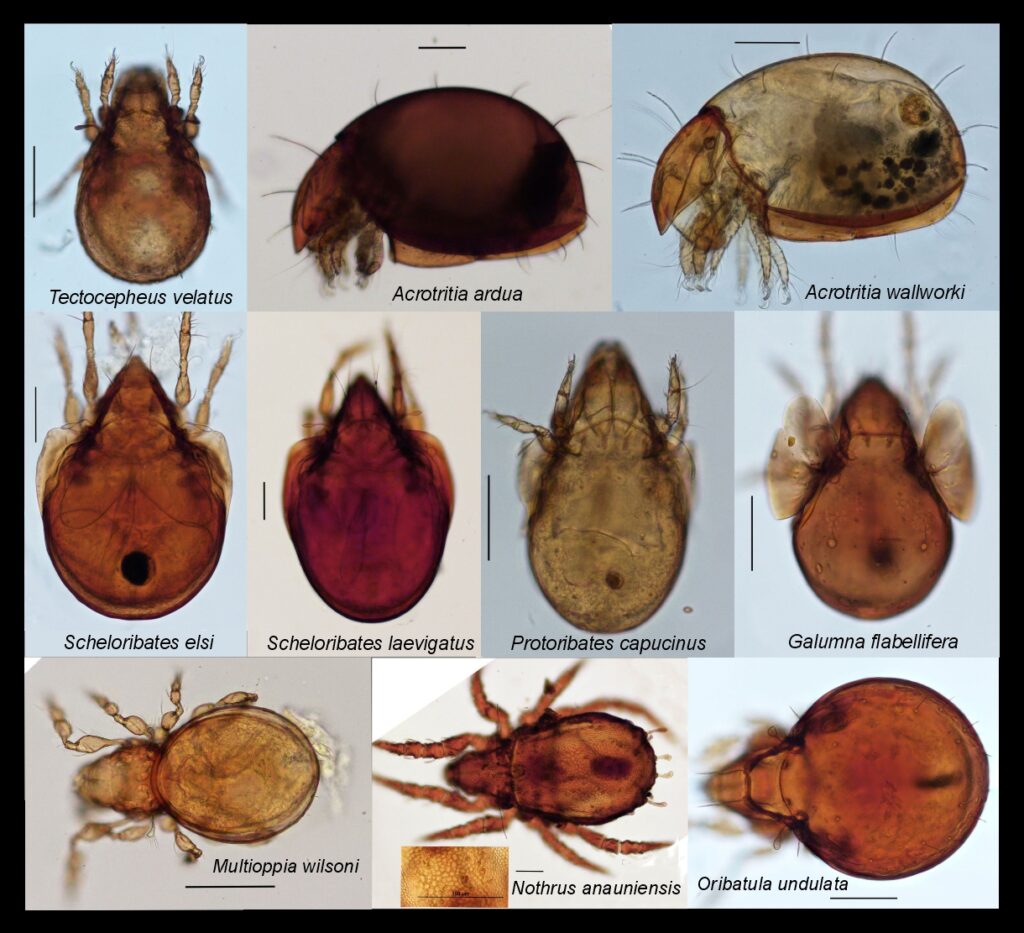
Among the species found in my garden were the box mites Acrotitia ardua and A. wallworki, also known as penknife mites. These mites can retract their legs and mouthparts into their bodies and seal themselves within their hard exoskeleton, giving them the appearance of tiny seeds. This remarkable adaptation provides effective protection against predators. Another species with a specialised anti-predator adaptation is Galumna flabellifera. Members of the genus Galumna are characterised by distinctive wing-looking structures on the sides of their bodies. These are not true wings but extensions of the body that fold over the legs, providing additional protection from predators.
Some mites possess striking features that make them a joy to observe under the microscope. One of the most beautiful species found in my garden, and also the largest at approximately 0.8 mm in length, is Nothrus anauniensis. Its body is ornamented with a network-like pattern resembling interconnected cells, and bears broad, leaf-shaped hairs. Another attractive species is Oribatula undulata, which possesses intricate ridges on the front of the body and relatively long, barbed hairs.
Two species — Multioppia wilsoni and Graptoppia (Stenoppia) italica — belong to the family Oppiidae, a remarkably successful group containing more than 1,100 species worldwide. Graptoppia italica is the smallest species found, being only about 0.2 mm long. Interestingly, it is primarily known from Europe, the Mediterranean region and Vietnam, making its occurrence in Bloemfontein somewhat unexpected.
The genus Scheloribates is among the commonest groups of soil mites worldwide, and is particularly successful in human-modified habitats such as gardens. Two species of this genus have been found in the samples: Scheloribates laevigatus and S. elsi. The latter appears to be restricted to Africa. Two of the most abundant species encountered are Tectocepheus velatus and Protoribates capucinus. Both are known for their ability to tolerate a wide range of environmental conditions, which likely contributes to their success in garden habitats.
The diversity of soil organisms in gardens can be enhanced through simple gardening practices. Adding compost, leaving some leaf litter in flower beds, avoiding unnecessary pesticide use, planting a variety of species, particularly indigenous plants, and watering regularly can all contribute to a healthier soil ecosystem. Such practices benefit not only plants but also the rich community of organisms that support soil function and ecosystem well-being.
What I find most remarkable is that many of the mite species living in my small garden also occur elsewhere in the world. This tiny patch of soil in my backyard is connected to the entire global ecosystem. Discovering eleven species in only two handfuls of soil served as a reminder that biodiversity is not confined to national parks, forests or wilderness areas. A whole world exists beneath our feet, hidden among grains of soil and decaying plant debris, quietly recycling nutrients and helping to sustain the health of our soils. The next time you walk through your garden, remember that a thriving community of tiny creatures is working hard just below the surface.
References
Braschler, B., Gilgado, J.D., Zwahlen, V., Rusterholz, H.-P., Buchholz, S. & Baur, B. 2020. Ground-dwelling invertebrate diversity in domestic gardens along a rural-urban gradient: Landscape characteristics are more important than garden characteristics. PLoS ONE 15(10): e0240061. https://doi.org/10.1371/journal.pone.0240061
Ivan, O. 2006. Diversity and distribution of the oribatid mites (Acari, Oribatida) in some lawn ecosystems from Moldavian Plain (Romania). Studii şi Comunicări, Complexul Muzeal de Ştiinţele Naturii „Ion Borcea” Bacău 21: 236–243.
Norton, R.A. & Behan-Pelletier, V.M. 2009. Suborder Oribatida. Chapter 15. In: Krantz, G. & Walter, D.E. (Eds), A Manual of Acarology. Texas Tech University Press, Lubbock, pp. 430–564.
Subías, L.S. 2022. Listado sistemático, sinonímico y biogeográfico de los ácaros oribátidos (Acariformes: Oribatida) del mundo (excepto fósiles). Monografías electrȯnicas S.E.A. 12: 1–539. https://www.researchgate.net/publication/364181381
Photo legends



Comments are closed.