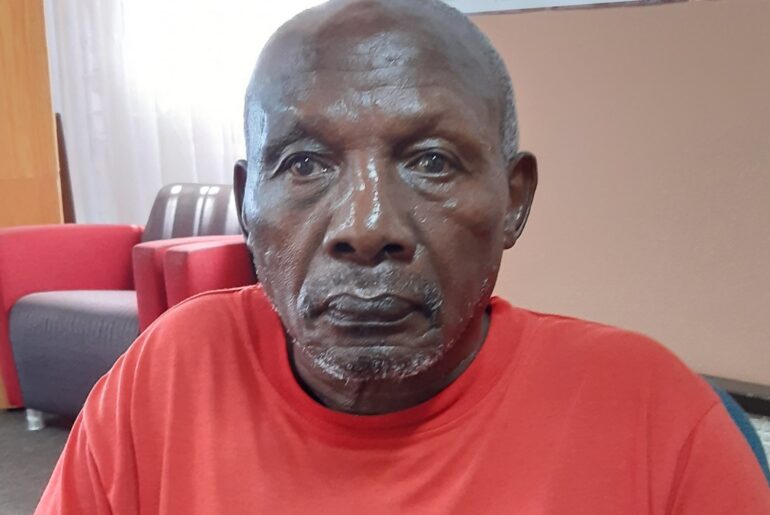
Oral History interviews reveal a glimpse into the life and the personal experiences that shaped the interviewee. Khotso Pudumo, an Oral historian of the National Museum’s Human Science Research Department talked with activist Modise Phekonyane, who shared his journey to Robben Island as a young man who was arrested and sentenced to serve time in the infamous prison over there.
The following conversation with Mr Phekonyane stirs a person to reflect on the thoughts of political activists when they were embarking upon this grim trek to Robben Island. One would wonder if perceptions of all the political activists were similar to those experienced by Mr Phekonyane.
Robben Island was named after the seals that once amply inhabited its shores (robben is a Dutch word for ‘seal’). The island was used as a port for grazing sheep and cattle by the Dutch upon their arrival at the Cape in 1652. Because of the island’s isolation from the mainland, convicts, and political prisoners — including chiefs and religious leaders — were eventually banished there.
This practice was continued when the British seized the Cape in 1806, upon which a whaling station was established on the island which lasted until 1820. The penal colony was moved to the mainland in 1845, and the place was resettled with lepers, who were joined by other ‘undesirables’, including paupers, alcoholics, the mentally ill and the others chronically sick.
The sickly were sent to hospitals in Cape Town after 1931 and the island became a military outpost during World War II (1939–1945). Government-built roads, a power station, houses, an airstrip and artillery positions were installed. In 1961, the South African apartheid government opened a maximum-security incarceration facility for political prisoners and convicted criminals and anti-apartheid activists.

Below is an excerpt from the interview during which Phekonyane describes his thoughts and emotions during the ferry trip from Cape Town harbour to Robben Island:
Pudumo: When did they [Security Police] arrest you?
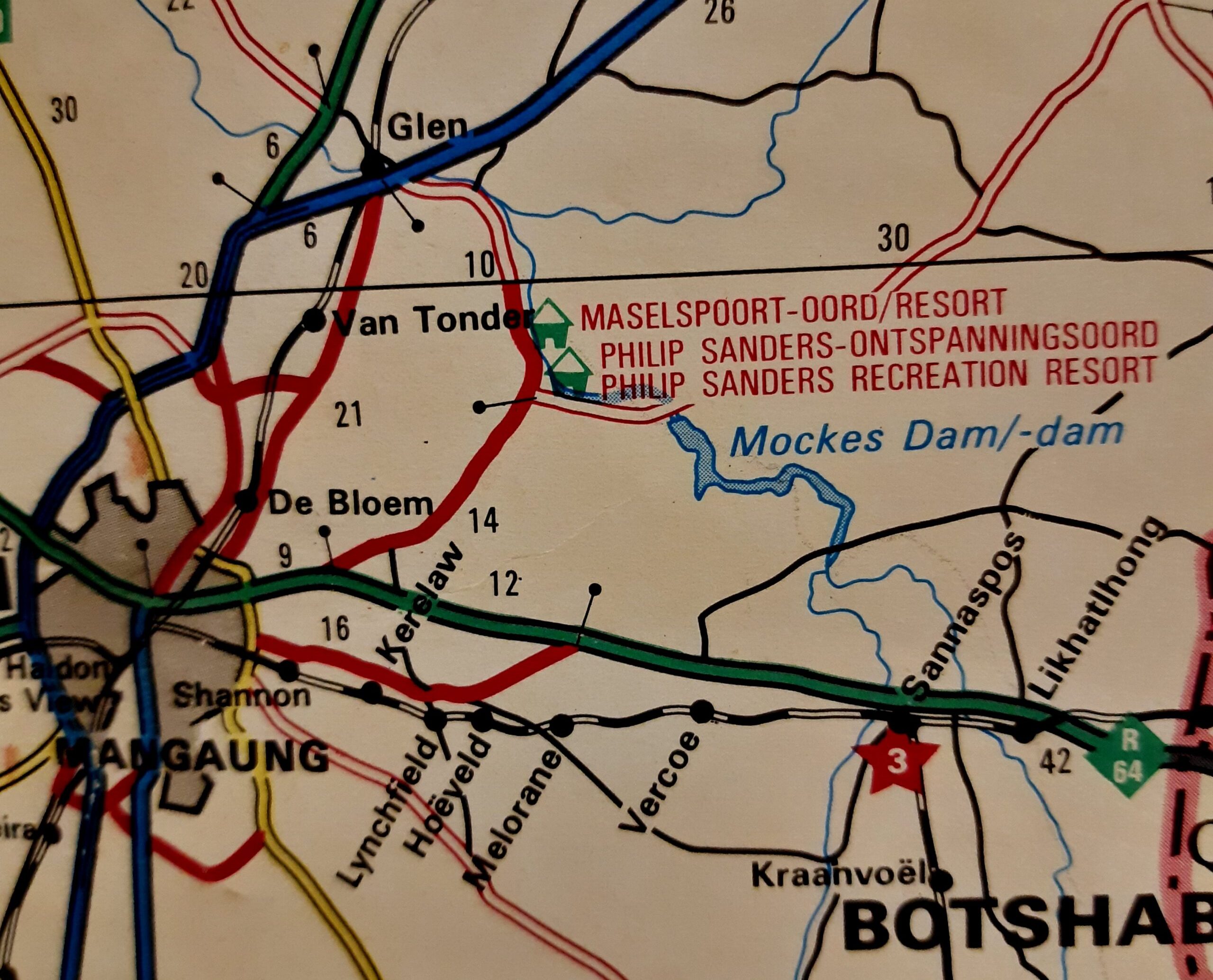
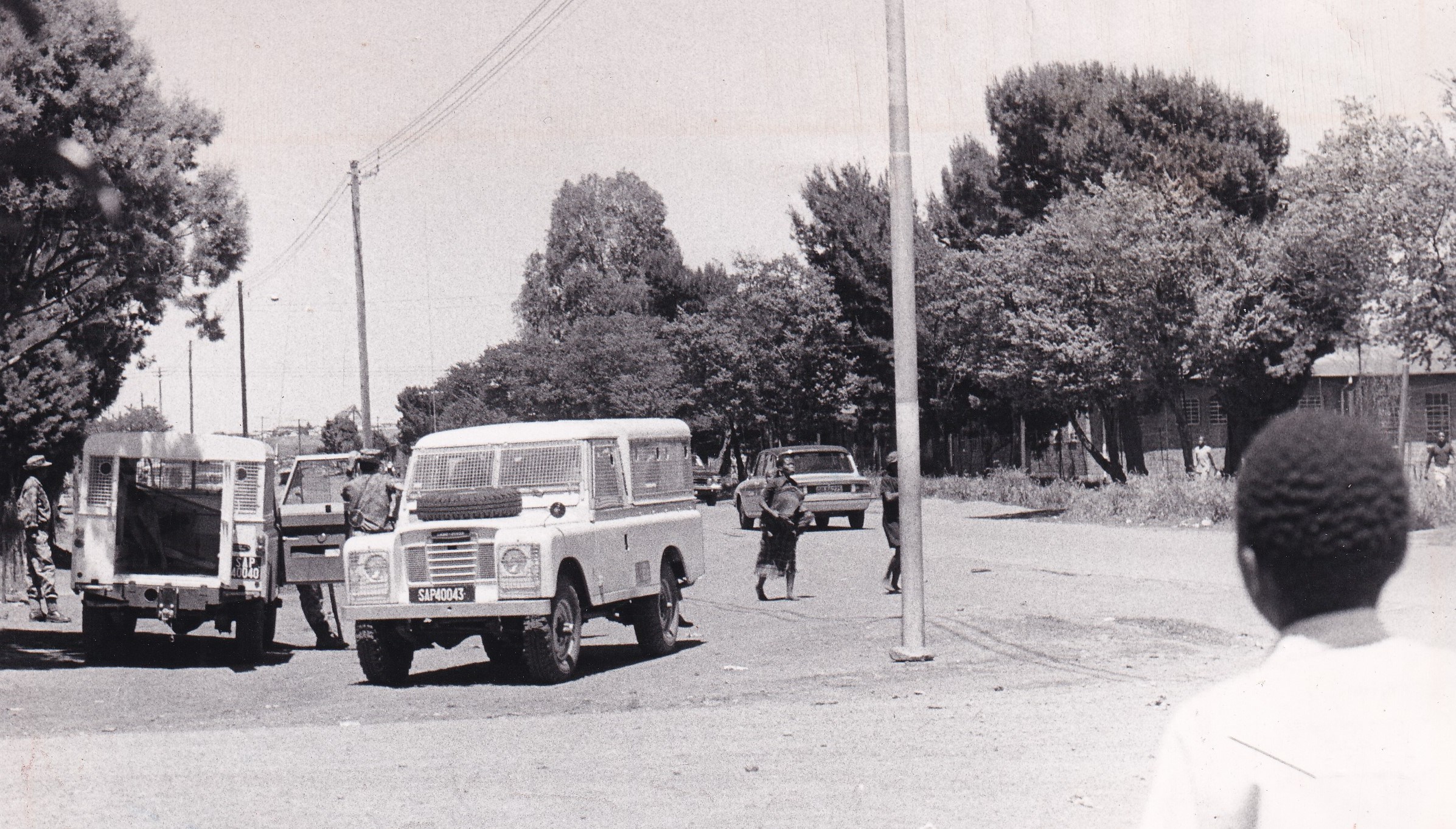
Phekonyane: The follow-up of 1976 [Soweto Uprising], so in June/July 1977 we had that kind of thing [student riots] in Bloemfontein, Mangaung. I got arrested and I was sent to Robben Island. So, I hardly completed schooling.
Pudumo: Is it where the following happened: Morris [an interviewee] mentioned that the office of a gentleman by the name of Mr Bolt was burned and the students who were responsible for that…
Phekonyane: … I was at the forefront; I was charged for that. I did burn that office with one or two guys who turned to become state witnesses against me… I was transported like a slave, most of my friends, we were 14, the fear of getting into a boat [ferry that transported prisoners to Robben Island] I had never been anywhere near the sea, not even putting my foot in the shallow water of sea or walking on the beach.
Pudumo: What was the impact of that? Because now, Robben Island was an island in the middle of the sea…
Phekonyane: Yes.
Pudumo: …What is the psychological impact of that place on its own, surrounded by the sea which was like impossible for you to reach the mainland?
Phekonyane: For the record, for future researchers: in 1978 there was no waterfront as it stands today.
Pudumo: Really?
Phekonyane: There were sporadic buildings here and there, there was totally no waterfront. So, but there was one place there where we were taken, and they loaded us. This boat called ‘Dias’ like Bartholomeu Dias. It is called Dias, these boats were used to transport and ferry animals, food, anything. When we were taken down to the dock it smelled horrible and again in itself it was torturous to the mind and to the emotion.
Pudumo: Yes.
Phekonyane: It was torturous, I mean as young guys, we always “yaka yaka”, you know, but for the first time being put into that place, we were dead quiet. You could actually look around and see everybody is in their own world and the common thing was how safe are we? How sure are we that there is this island where they are taking us, we have never been there, and we are not sure if it is there and if there are people there. The wardens are white wardens, they are servants of the system they serve and why are we just sitting here? Is this our prison, is this what they mean by this island or what? What if to me personally it was, what if it is fine, what if they drive this boat into the middle of the sea but what if they either pull something or press something and this [boat] opens underneath.
Pudumo: And you fall in.
Phekonyane: We fall into the sea, and we drown in the water.
Pudumo: Nobody is going to know anything.
Phekonyane: And nobody is going to know anything, okay. That time came and they started that boat, and we could just hear the roar of the engine, and we could hear them moving up in the stairs; it is getting busy. You know there is anxiety.
Pudumo: Yes.
Phekonyane: Of the curiosity of the boat moving, I promise you every single joint in my body went lame. My stomach started turning, even before the boat moved.
Pudumo: Yes.
Phekonyane: I do not know whether I prayed or I wished but there was something that I did and that thing went ‘grrrrrrrrrrrrrr’ [interviewee demonstrating the sound made by the boat] and you could feel it moving to the side and you knew that now it is turning, pull to the left, and it made a turn 45 degrees to right and then it pulled. One or two tears fell, there was this parting like an unceremonious divorce of a husband and a wife, something like an umbilical cord from life, from the world.
Pudumo: From your family.
Phekonyane: From the land to a place, I do not know. I think at some point I surrendered to death. I surrendered to whatever possibility, to whatever might happen, I gave up. I was lying there, and guys were talking. You know there are guys who just talk: “Hey man, finally we are going there, and I wonder if we are going to see [Nelson] Mandela, blah, blah, blah”. You know young guys in the midst of such a thing, people still had a nerve to find a way to make a joke, still find a way to laugh. Like, no guys, come on and it is going to be nice there, blah, blah, blah, and we are going to talk politics and now we quarrel amongst ourselves. Who do you know? How sure are you? There’s always a quarrel and argument, so, but then the boat goes.
I did not know much about slaves at that time but in retrospect in my release and that is what I study a lot today. ‘Transatlantic slavery’ and like, wow, people were packed like this, and this is what we went through in Kroonstad Prison, this is what we went through here and there, you know. So, we arrived there, you know, somebody just felt like why is he stopping [the boat], maybe we are there. And we could hear when the boat docked, it hit the wall and they could be running around and later I got to learn that okay, there were rope runners, those who tied the rope to the mainland, you know.
But it was when we were getting out of the boat, you know, the sun was hot. I think it was just after lunch and the boat, when it docks, it’s in the water, so, it doesn’t park like a car.

Pudumo: Yes.
Phekonyane: So, it shifts to the left and to the right, to the left and to the right, so, it is unstable and so, you must move upstairs and go out and when it goes [tilts] to the right you lose your step and then behind you there is someone rushing you: “Come on we do not have the whole day here”, in Afrikaans. You can say things in English, swear and whatever, but remember now we are coming from a culture of Afrikaans as in forced oppressor language, so everything, even torture, and whatever that has happened in this country, so, every time you want to get to speak, you must speak Afrikaans in that setting, in that circumstance. So, there was a lot of fear, a lot of resentment.
Pudumo: Yes.
Phekonyane: A lot of depression and uncertainty and all along ever since we were detained. When we were in Kroonstad, which was one of the worst, where we were kept as sentenced prisoners, these prison wardens always reminded us that we are gonna, let me put it even for the record: “Ons gaan kak”, we are going to shit when we get to Robben Island. Robben Island is a place where they separate boys from men. And so, either we are going to grow up the hardest way or we are going to die there and so, it became a reality, and it was a question of every single moment. Today Robben Island as an island is a geographical gift from God, it is a beautiful place, wonderful place, so much nature, penguins, birds and all sorts of things. You [Mr Phekonyane] didn’t even appreciate that.
In conclusion, Oral History interviews capture otherwise elusive critical information. Mr Modise Phekonyane has shared his personal accounts of travelling to Robben Island to serve a sentence after he was found guilty of burning the office of Mr Bolt. The fear of the unknown played a major role in his emotions as he shared what was happening on the boat and how the sea was when they were sailing to Robben Island.
Sources:
Collison, L.S. 2018. A Brief History of Robben Island, Cape Town. The Culture Trip, November 23, 2018. https://theculturetrip.com/africa/south-africa/articles/a-brief-history-of-robben-island-cape-town (accessed 26 June 2026)
Kathrada, A. 2004. Memoirs. Zebra Press.
Teja. 2026. Robben Island: Human nature and what Apartheid really is. Teja on the Horizon, June 9, 2026. https://www.tejaonthehorizon.com/travel-stories/robben-island-human-nature-and-what-apartheid-really-is/ (accessed on 26 June 2026)
Oral History Interview: Modise Phekonyane, Batho, Bloemfontein, 25 November 2025, (NM/OHI 7/22).