


The date, 16 June 1976 is ingrained in the South African psyche as a day of huge political significance. It marks the beginning of the Soweto student protests commonly referred to as the ‘Soweto Uprisings’. The use of the plural form is intentional, because ‘June 16’ or ‘June sixteenth’ also refers to a series of student protests that continued for the rest of 1976 and flared up again in 1977. Another reason for the plural form is that the unrest spread from Soweto to townships all over South Africa. From Cape Town to Mangaung and beyond students marched and protested in solidarity with the Soweto students. The fact that Soweto was the epicentre of the major 1976 uprising cannot be denied. In addition, Soweto became the blueprint because a similar pattern unfolded in other townships, including Mangaung. Therefore, ‘June 16’ cannot be separated from what happened afterwards.
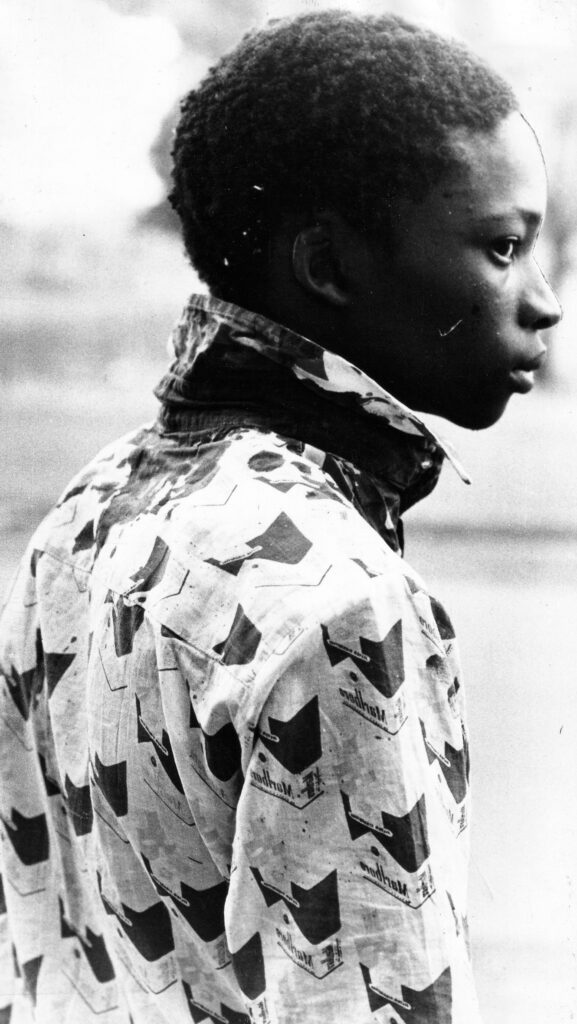
In 1974, the Department of Bantu Education issued an instruction that Afrikaans had to be used as the medium of teaching for Mathematics and Social Sciences (History and Geography) in selected higher primary and junior secondary schools in Soweto. Despite objections from students, teachers and parents, the authorities went ahead and implemented the new ruling in the beginning of 1976. This shortsighted decision was deeply resented and justifiably so if one considers the fact that the majority of Soweto students spoke Afrikaans as a fourth or even fifth language. Failing to convince the authorities to reconsiser the decision, the students took matters into their own hands. Their passive resistance started with a boycott of classes but it became more intense and organised when charismatic student leaders like Tsietsi Mashinini and student organisations such as the South African Students Movement became involved. Mashinini and others, who drew inspiration from the Black Consciousness Movement, arranged a peaceful protest march for Wednesday, 16 June.
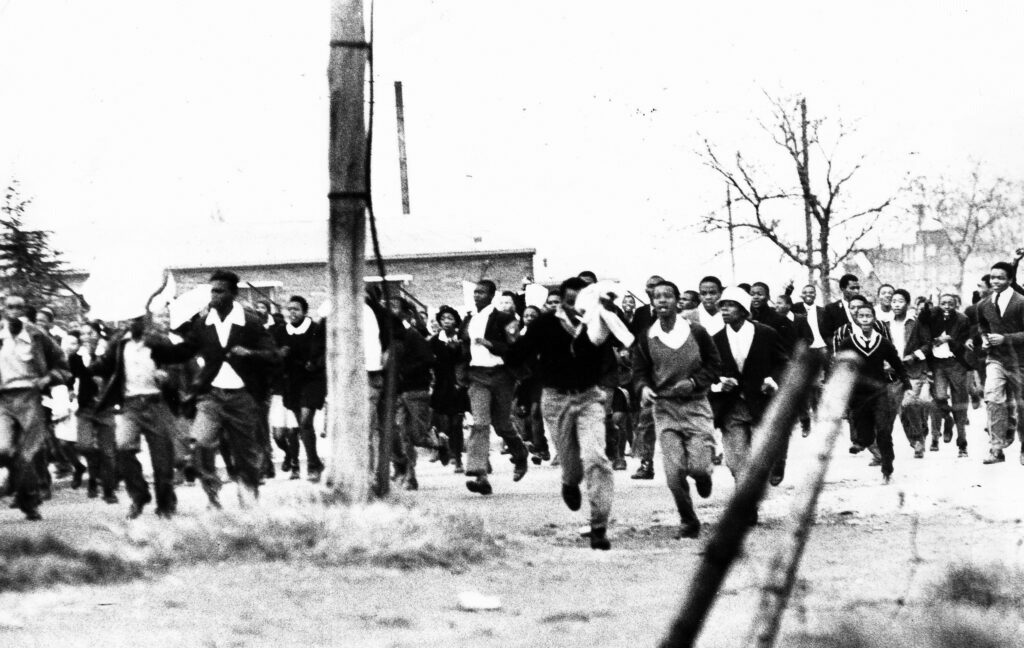
It was a cold and hazy winter morning when students from several Soweto schools joined the march to Orlando Stadium for a mass gathering. According to Murphy Morobe they just wanted to “pledge our solidarity, sing our song … and we go home”. Between 10 000 and 15 000 students marched and chanted anti-Afrikaans slogans. The police, ill-equipped for mass demonstrations, received orders to stop the march and force the students to disperse. The march proceeded peacefully until there was a stand-off between the outnumbered policemen and the frustrated students in Vilakazi Street. When the students refused to disperse, the police threw teargas canisters at them. Enraged, the students responded by pelting stones at the police, who, in turn, released dogs into the crowd.
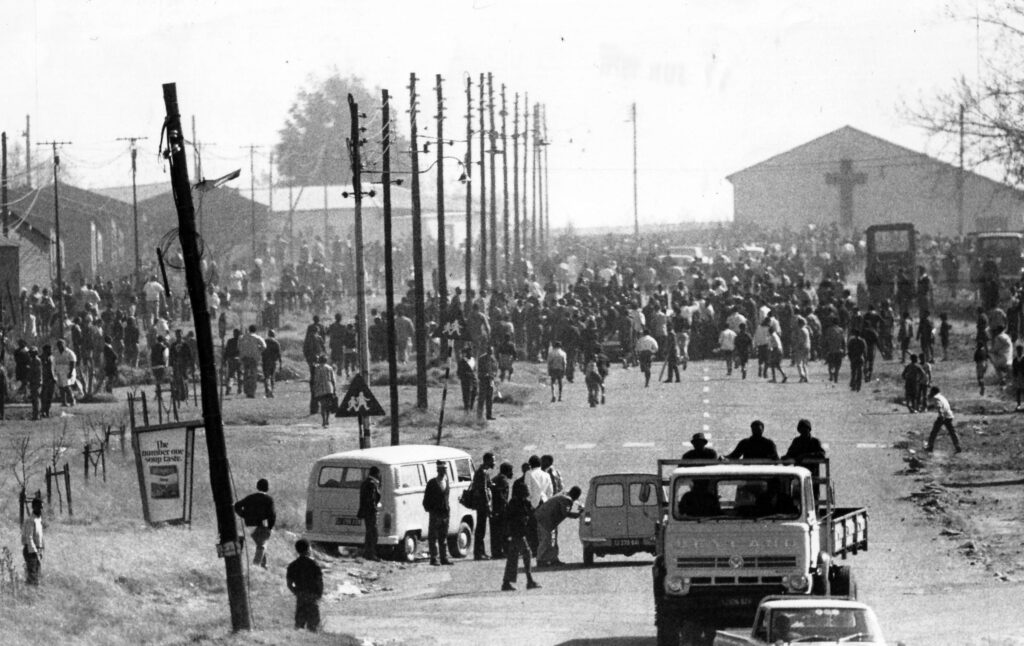
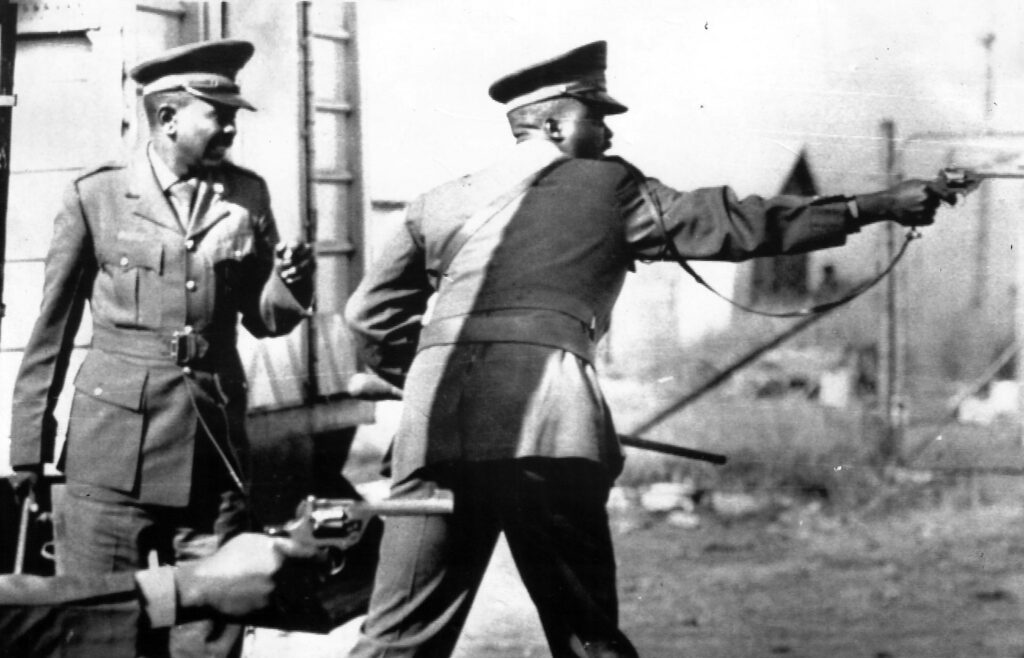
Sources differ about the sequence of events that followed but it is believed that a panicky police officer started firing shots at the students. What started as a peaceful protest march turned into a violent confrontation between unarmed students and armed police. The riot police and paramilitary units that arrived to support the local police fired recklessly at fleeing students. The students’ weapons were stones and dustbin lids were their shields. Break-away groups went on a rampage and set fire to apartheid symbols: Administration Board buildings and municipal buses, clinics, libraries, beer halls and liquor stores. Disturbing images of burning buildings, vehicles and dead bodies – including the iconic photograph of 13-year-old Hector Pieterson – appeared on the front pages of local and international newspapers. The police failed to curb the violence; in fact, the revolt spread to townships on the Witwatersrand and subsequently to the rest of the country. As the protest spread, the focus of the students’ anger was no longer the Afrikaans issue only but also the hated school boards, who were considered apartheid collaborators, the inferior system of Bantu Education, and apartheid in general.
Although not on the same scale as Johannesburg, Cape Town and other urban centres, students in the Free State and Mangaung expressed their solidarity with the Soweto students with similar intensity. The Free State provided fertile soil for student unrest because struggle veterans such as Caleb Motshabi and Martha Mohlakoana had exposed a young generation of Free State activists to the politics of the banned African National Congress (ANC) and its underground networks. Those included Morris Motlhamme ‘Tenge’ Moadira, Jani Mohapi, Gregory Nthatisi, Terror Lekota and Ace Magashule. The political thinking, strategies and objectives of the young Free State activists were strongly influenced by the Black Consciousness Movement. The popular slogans were “Liberation before education!” and “Equal education for all!”.
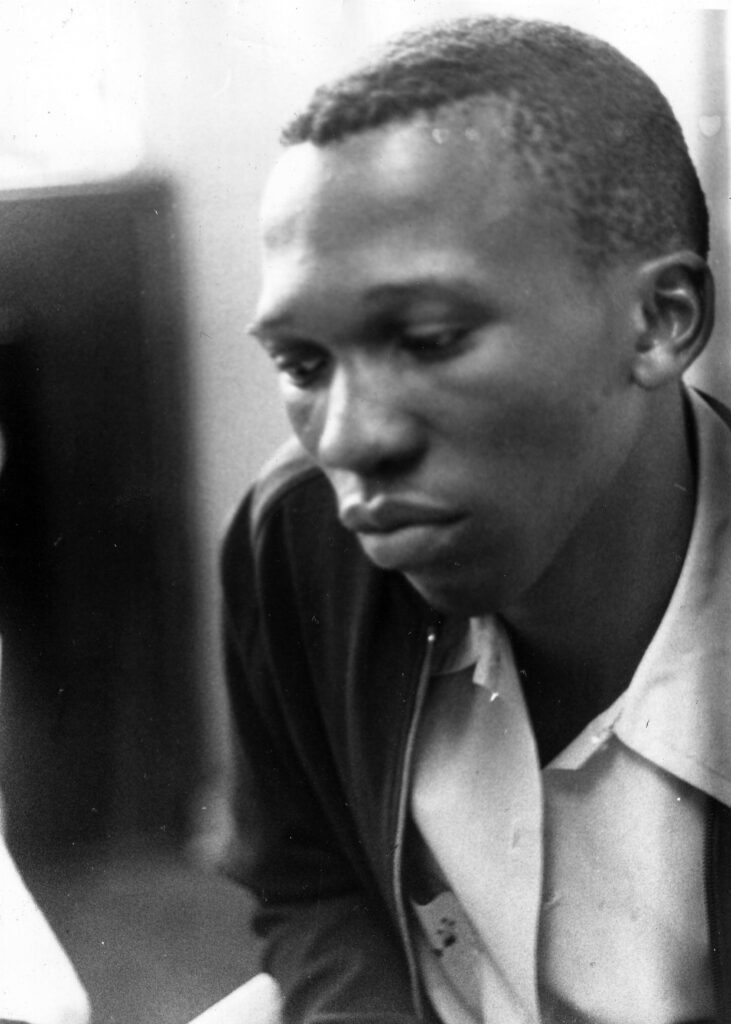
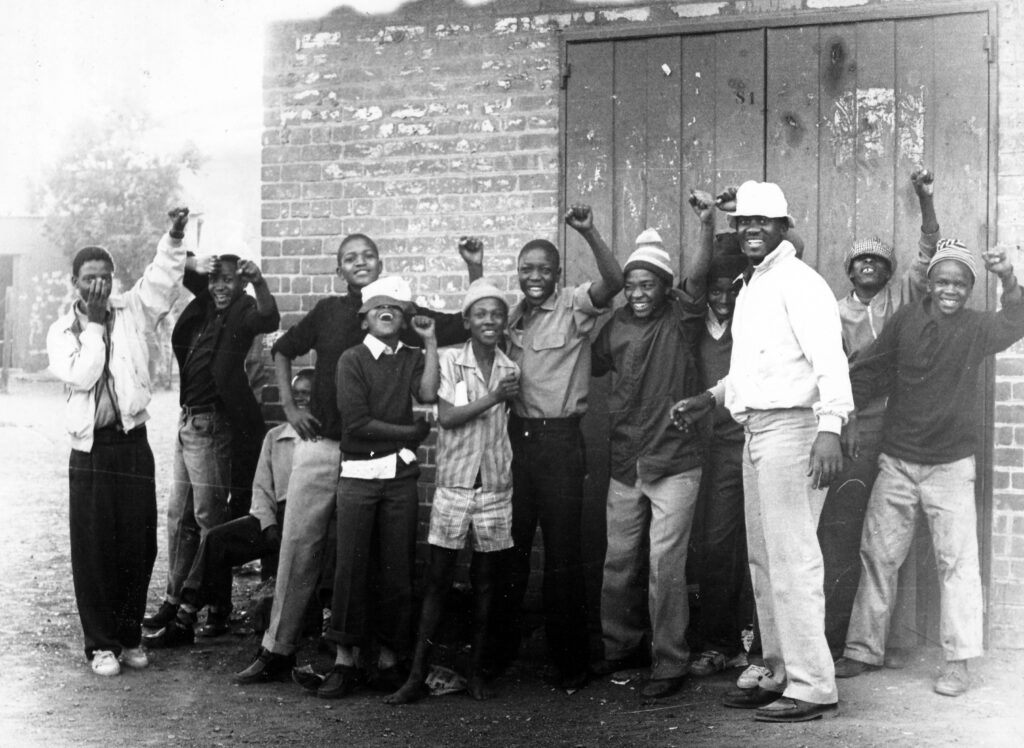
During July, August and September 1976, at least seven black schools and training institutions in Mangaung and Thaba Nchu participated in class boycotts and protest actions in solidarity with Soweto. Those included Sehunelo Secondary School in Batho, Marang Primary School in Bochabela, as well as Moroka Secondary School and Strydom Training College in Thaba Nchu. Free State students faced similar challenges as students elsewhere – the compulsory use of Afrikaans, unsympathetic school boards, shortage of handbooks, overcrowded classrooms and inadequate facilities, such as the lack of running water on school premises.
The Free State students’ protest actions had common features with other uprisings: mass meetings on school premises, protest marches, displaying placards during marches, boycotting classes, using popular slogans as rallying cries, stoning and burning of buildings and buses, and targeting members of the hated school boards. Riot police and security police were called in to quell the unrest. Student activists were arrested and detained in the Batho police station. Those who were found guilty of conspiracy to commit arson and other serious offences were sentenced to short term imprisonment. Students who committed lesser offences had to “receive cuts with a light cane”, to quote a newspaper source. In the aftermath of the bloody Soweto tragedy the local police were careful. Mostly relying on dogs, teargas and batons, they fired warning shots into the air instead of at students.
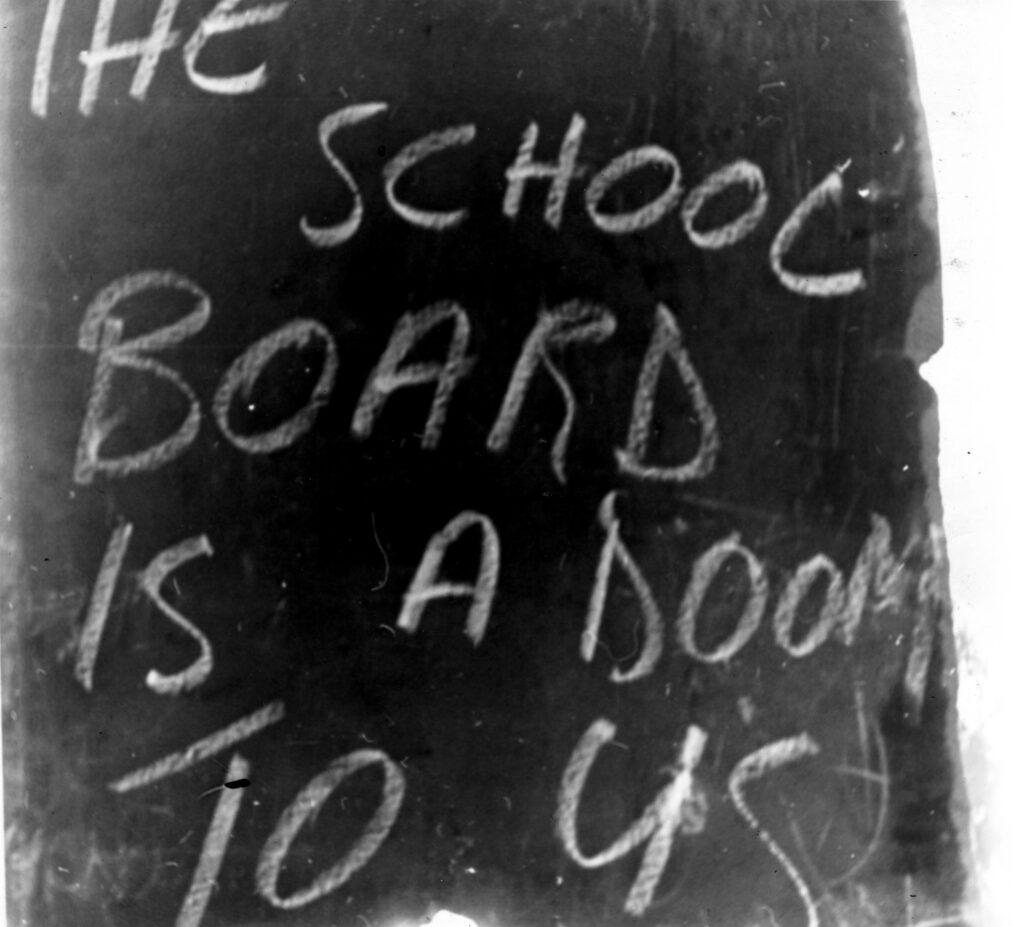
In the second semester of 1977, a more intense wave of student protests hit Mangaung since the issues that triggered the previous year’s revolts remained unresolved. Students from Lereko Secondary School and Sehunelo Secondary School in Batho, Marang Junior Secondary School and Maboloka Higher Primary School in Bochabela, and Ihobe Secondary School in Kagisanong were involved in rioting during late August and early September 1977. It was a violent spring; the streets of Mangaung’s townships saw clashes between stone-throwing students and the police. The riots started with students protesting in front of their schools, shouting slogans against Afrikaans and the school boards. After the police dispersed them, they took to the streets and stoned offices of the Southern Free State Administration Board, as well as municipal buses, beerhalls and liquor stores.
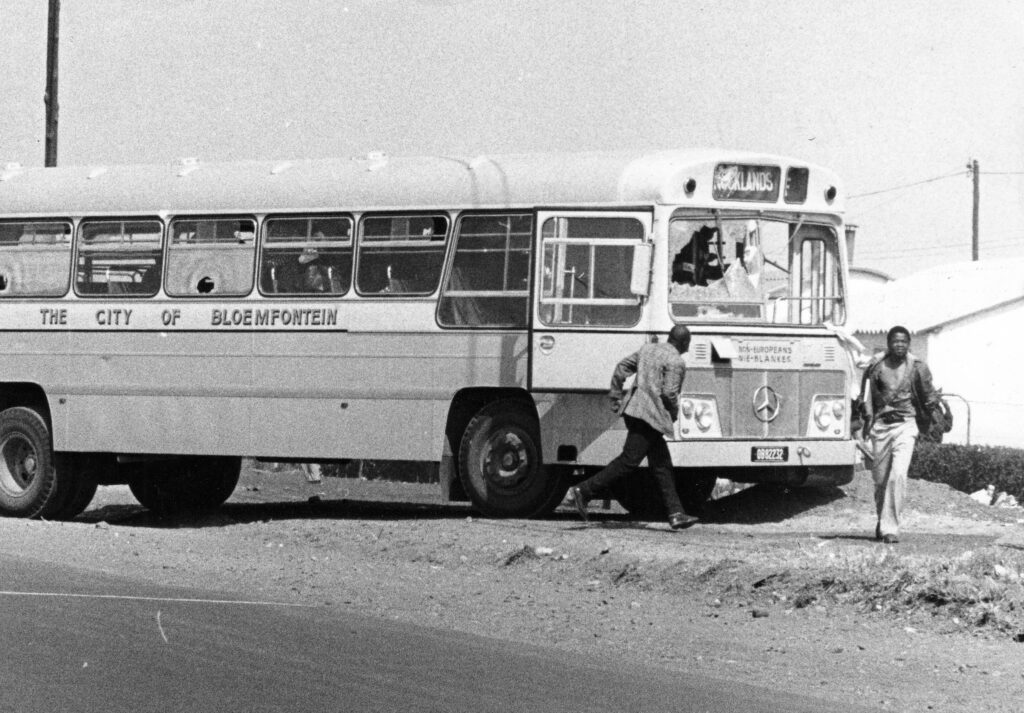
Police in combat uniforms reacted forcefully and often brutally by using teargas, dogs and batons to disperse “mobs of schoolchildren”, to quote The Friend. Although live ammunition was rarely used, some students were shot, including student activist Leon Sedio. Once again, apartheid symbols were targeted, including school buildings, school board offices and Administration Board buildings. The same happened to beerhalls and liquor stores that were sources of revenue for local authorities. Once again, members of the riot squad in camouflage responded with blunt force. In the days after the protests had subsided, the Batho police station was “crowded with students and people who had been arrested”. On 1 September 1977, the historical Bantu Social Institute in Batho was set alight. Later, it was renamed Caleb Motshabi Centre to honour the local struggle veteran who served as mentor for many student activists.
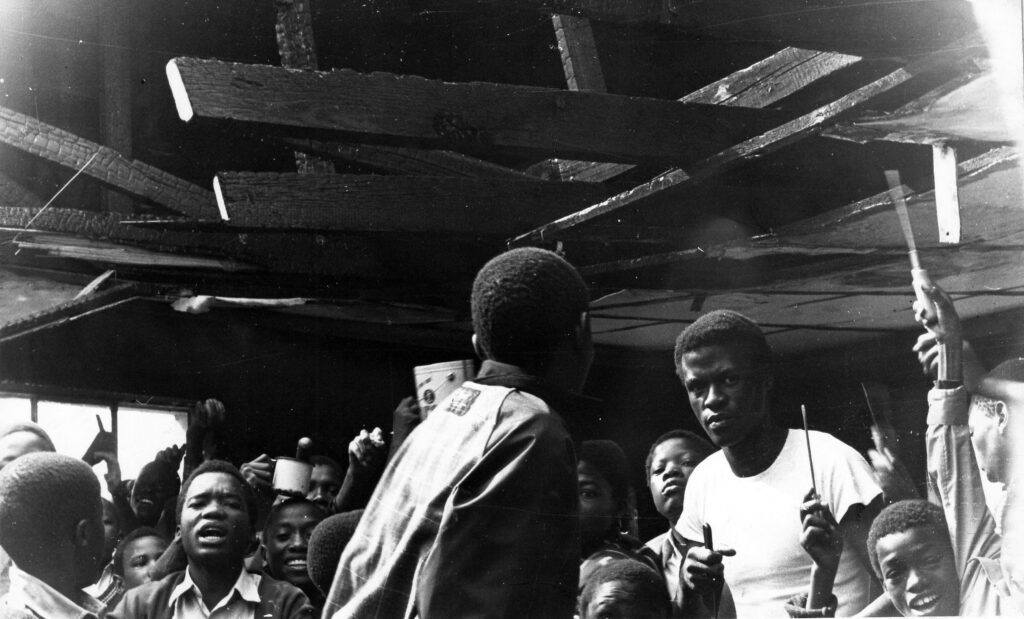
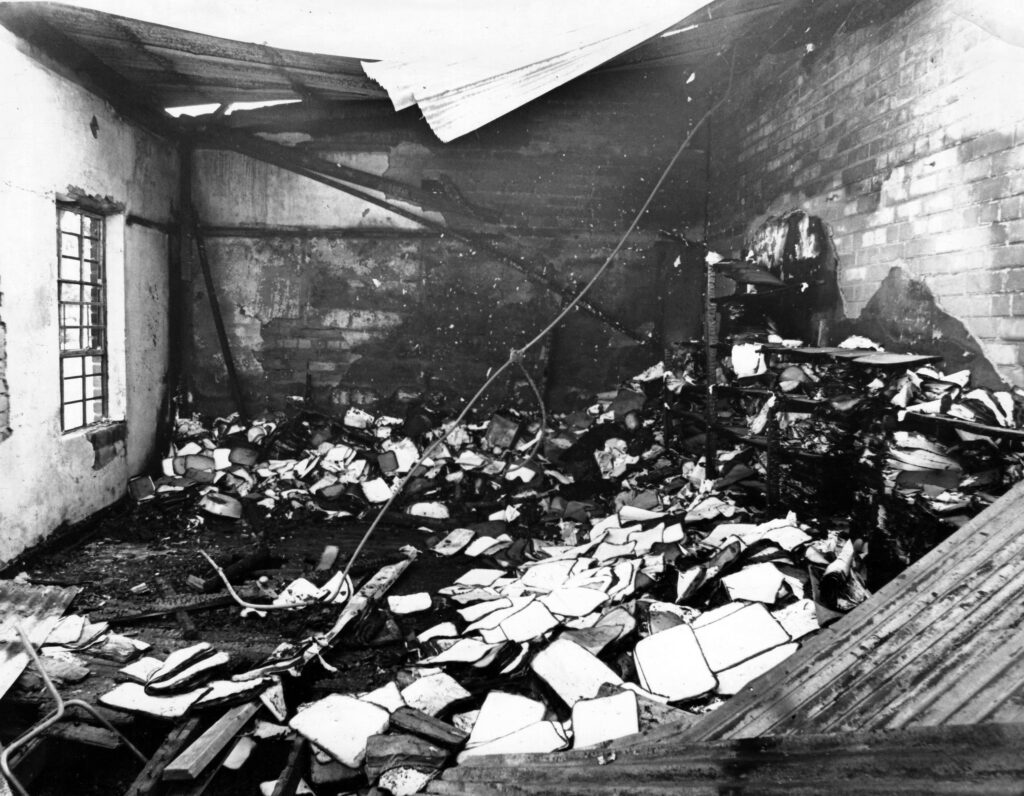

Towards October 1977, calm returned to Mangaung’s townships after a spate of class boycotts and violent protests. Only then did the full extent and meaning of the word ‘uprisings’ become clear. ‘16 June’ was only the beginning of a season of rebellions that lasted for more than a year. Although police presence in the townships restored law and order, it was a fragile peace, for student discontent kept simmering under the surface. Yet, the Soweto uprisings became a defining moment in South African history; it changed the political landscape permanently. Thousands of students left South Africa to participate in the struggle against apartheid. Most of them joined the ANC and its military wing Umkhonto weSizwe because they saw armed resistance as the only option left to challenge those responsible for Bantu Education and everything associated with it.
Sources
Bonner, P. & Segal, L. 1998. Soweto: A history. Cape Town: Maskew Miller Longman. https://archive.org/details/sowetohistory0000bonn
Goldfields Friend, 28 July 1976; 7 August 1976.
Hlongwane, A.K. & Ndlovu, S.M. 2019. Public history and culture in South Africa: Memorialisation and liberation heritage sites in Johannesburg and the township space. London: Palgrave Macmillan. https://doi.org/10.1007/978-3-030-14749-5
Magubane, B. et al. 2006. The road to democracy in South Africa: Volume 2 (1970–1980). Pretoria: South African Democracy Education Trust, University of South Africa. http://www.sadet.co.za/road_democracy_vol2.html
Ndlovu, S.M. 2017. The Soweto Uprisings: Counter-memories of June 1976. Updated edition with new content. Johannesburg: Picador Africa. https://books.google.co.il/books/about/The_Soweto_Uprisings.html?id=icNztAEACAAJ
Phahle, R. 1980. We don’t want no education. Solidarity 4: 134–168 (printed version).
Simpson, T. 2021. History of South Africa: From 1902 to the present. Cape Town: Penguin Books.
The Friend, 30 July 1976; 1 September 1977; 2 September 1977.
Twala, C. 2007. The emergence of the student and youth resistance organizations in the Free State townships in the 1980s: A viable attempt to reorganize protest politics? Journal for Contemporary History 32(2): 39–55. https://hdl.handle.net/10520/EJC28436
Venter, P.C. 1977. Soweto: Shadow city. Johannesburg: Perskor.



Comments are closed.