

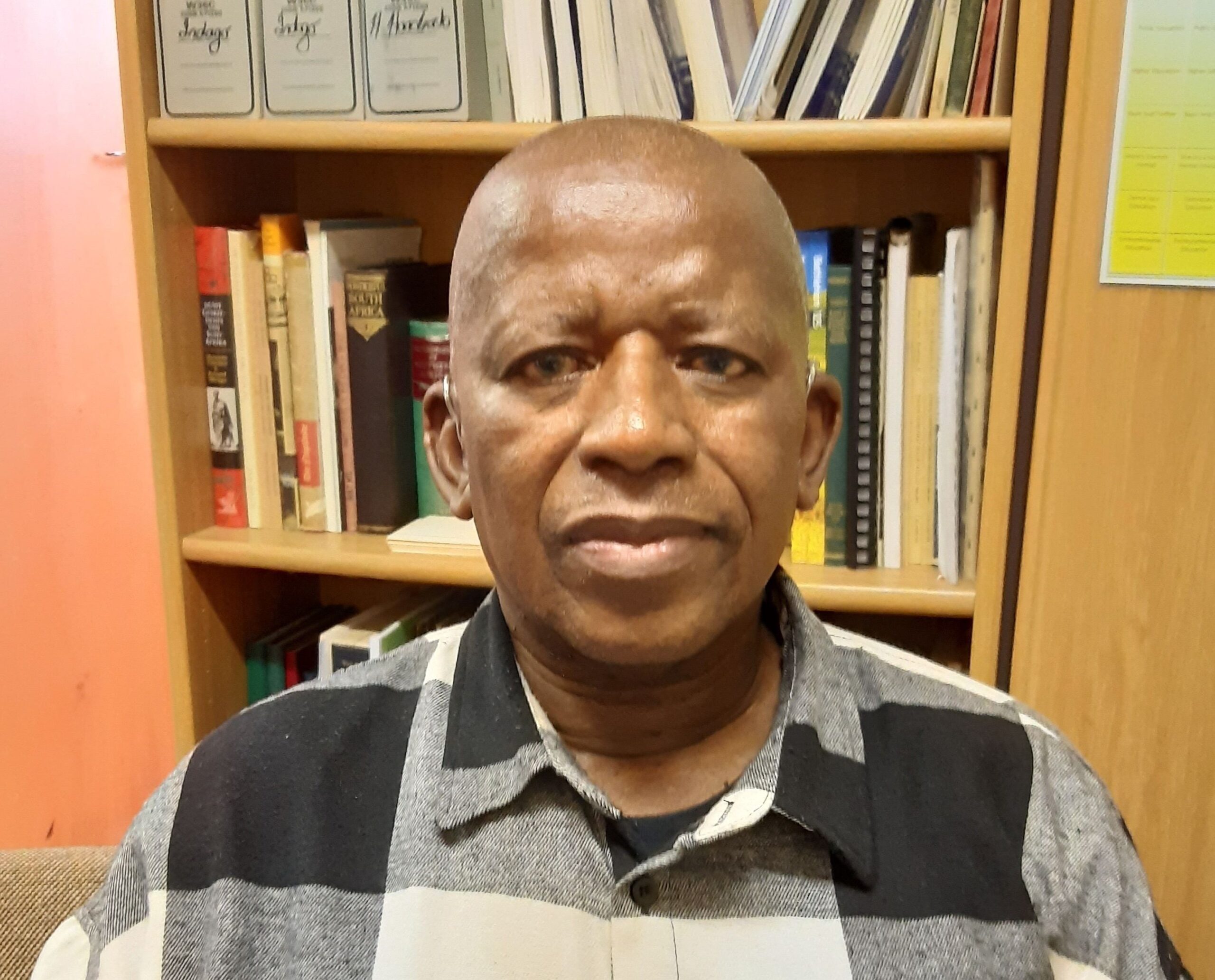
The history of South Africa’s liberation struggle (c. 1960–1994) is a multi-layered saga that is still being uncovered. This process involves oral interviews with veterans and in-depth research conducted in archives and repositories of anti-apartheid movements worldwide. During this ongoing exploration, previously overlooked and unknown aspects of the freedom fighting have emerged. Typically, these ‘hidden histories’ involve the lives and lived experiences of the foot soldiers in both the political resistance and armed battle against apartheid.
In practical terms, what did it mean to go into exile to join the armed struggle? How did life in exile impact the cadres’ daily lives? In which language(s) did the cadres and freedom fighters communicate? South Africans and foreigners who volunteered to join the struggle often ended up in countries that were culturally very different from their own, not to mention the languages that were spoken there. Among the thousands who joined the resistance in the late 1970s was a struggle veteran Elias Mokhooa Togoe, alias ‘Hauser’ Togoe. Hauser was a nickname derived from the Howitzer artillery weapon.
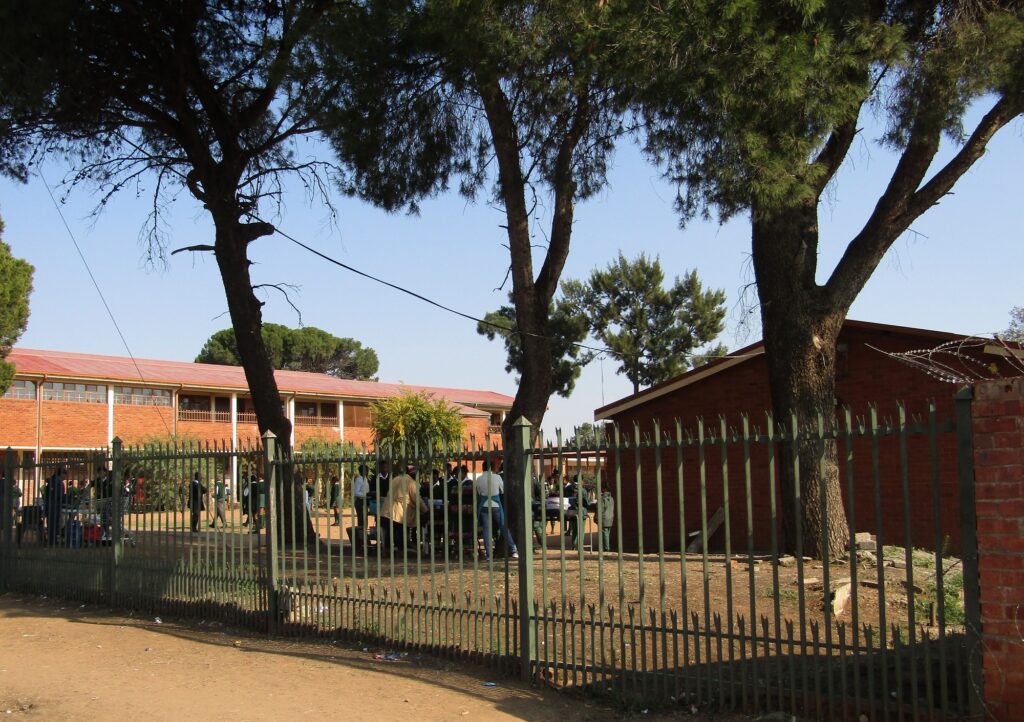
Born in 1960, Hauser Togoe grew up in Mangaung during the 1960s and 1970s. He said he became aware of apartheid and the struggle “at a very tender age” after he saw how black people were treated by whites in Bloemfontein. The “harsh conditions and realities” created by the apartheid system sharpened his political awareness. When Hauser reached the senior levels at Sehunelo Secondary School in the Batho township, he began discussing politics with his classmates. Some of his politically aware teachers also taught him to “see the bad and the ugly of the apartheid system”. The young Hauser also developed an interest in languages and literature. George Orwell’s Animal Farm (1945) made a huge impression on him. In 1978, when Hauser was doing Form IV (comparable to Grade 11), he joined a student organisation called the Bloemfontein Youth Student Movement. It was at one of the organisation’s meetings that Hauser and some of his classmates decided to go into exile to “learn other methods of advancing the cause of the struggle”.
Half-way through 1978, Hauser left school and “skipped the country” by clandestinely entering neighbouring Lesotho via Ficksburg. He stayed in the New Europa refugee camp, where he was introduced to “the life you have envisaged [for yourself]”. Hauser joined uMkhonto weSizwe (MK), the armed wing of the African National Congress (ANC), as a crusant (recruit). Subsequently, he was sent to the Matola transit camp in Mozambique. When Hauser was offered a choice between finishing his schooling or signing up for military training, he chose the latter. In Mozambique, a former Portuguese colony that gained independence from Portugal in 1975, he was introduced to Portuguese for the first time. Thanks to his talent for languages, he picked up a few Portuguese words. Little did Hauser know that his time in Mozambique, albeit brief, would prepare him for a future assignment that would require him to speak Portuguese fluently.
Hauser was deployed to Angola to complete a six-month military training course. Angola was another former Portuguese colony that gained independence in 1975. After spending some time at the Viana transit camp, about 20 km outside Luanda, he was transferred to the Pango military training camp, farther away. Many MK training camps in Angola were situated on former Portuguese colonial-era coffee plantations, with Portuguese names such as Viana, Fazenda and Quibaxe. As it was customary among MK cadres, Hauser adopted the nom de guerre ‘Fortunate Maleka’. After completing only four months of the training course, he was chosen to join a group of 40 cadres who had to attend a guerilla warfare commander’s course at Teterow in East Germany (German Democratic Republic; GDR). Hauser specialised in the Military and Combat Work (MCW) and handling of firearms. In addition to learning survival skills, he also learned to speak some German during his six months in the GDR.
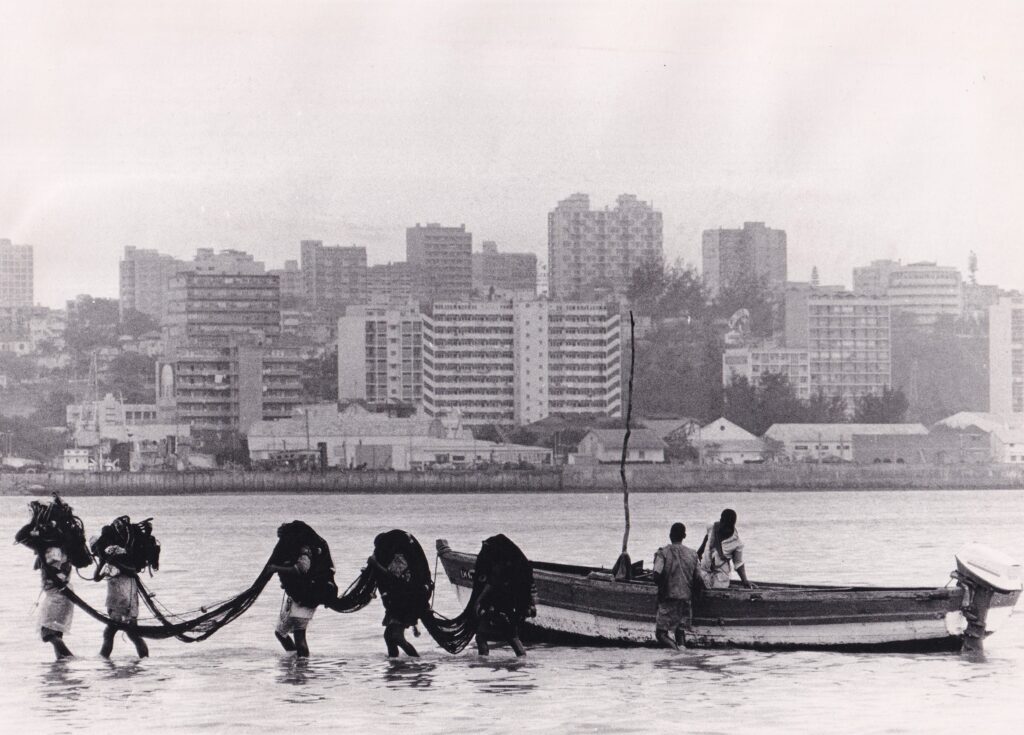
Hauser returned to Angola, where he was once again stationed at the Viana transit camp; this time, as a commissar (mentor) responsible for recruits who arrived there from South Africa. After almost a year at Viana, he was selected to go to the “Mozambican front” at the end of 1980. Hauser was deployed to the ANC offices in Maputo (formerly known as Lourenço Marques), where he worked as an immigration officer. He explained that he was assigned “the task of dealing with immigration of both underground and non-underground structures of our organisation and machineries”. In practical terms, this meant that Hauser had to receive and orientate new struggle recruits from all over the world, including South Africa and other African countries “in the front line” such as Angola, Swaziland (Eswatini) and Lesotho. His first assignment was to learn Portuguese, a European language that became the lingua franca of Mozambique during 450 years of Portuguese rule. Although Hauser had been exposed to Portuguese before, he could not speak it fluently. He and two other comrades, including an Afrikaans-speaking lady who worked for Radio Freedom, completed a three-month language course at the Institute for Languages in Maputo. Their professor (teacher) was a mulatto (person of mixed race) from Portuguese-speaking Brazil.
Hauser’s linguistic abilities enabled him to learn Portuguese relatively quickly. The fact that he was surrounded by people who spoke the language fluently helped a lot, as he could practice his Portuguese simply by communicating with them. Soon, Hauser could speak and write Portuguese, which was essential because his job involved “lots and lots of paperwork”. Hauser had to complete multiple forms for the incoming activists, some of whom were members of anti-apartheid movements in the USA, Britain, and Europe. They were recruited by the legendary Joe Slovo (1926–1995), who could speak Portuguese fluently. Hauser knew Slovo well because, in the early 1980s, Slovo was based in Maputo as a senior MK commander in charge of the Special Operations Unit. While some activists and cadres who arrived in Maputo remained there for some time, others were just passing through. Forms had to be completed in Portuguese for special visas to allow for the activists’ legal entry (Guia de Entrada), temporary residence (Guia de Marcha) or exit (Guia de Saida) from Mozambique.
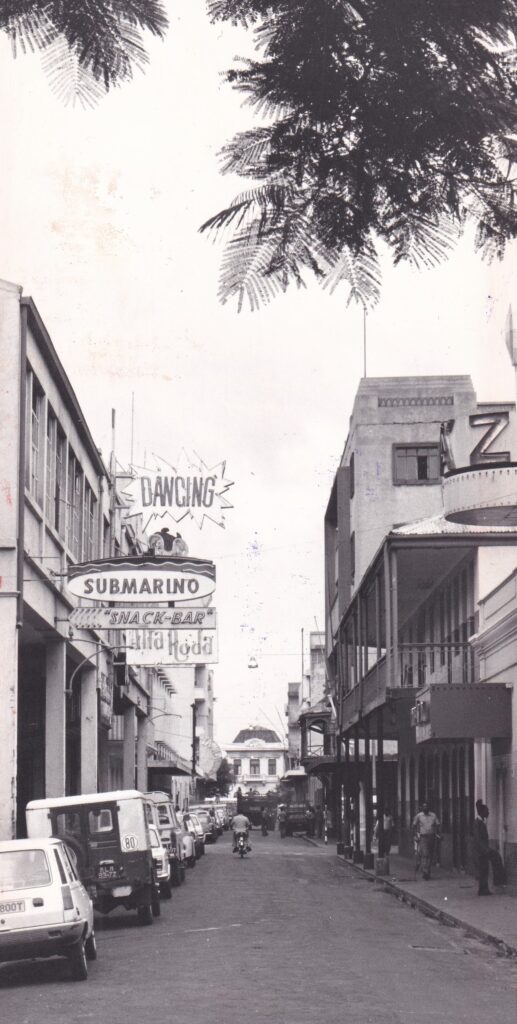
In Mozambique, Hauser became so familiar with the Portuguese language and culture that he could comfortably communicate with the locals, including whites who remained in the country after the violent revolution of 1975. With some regret, Hauser found that many indigenous Mozambicans preferred to speak Mozambican Portuguese (Português Moçambicano) instead of their native languages such as Shangaan (Changana). During the early 1980s, Maputo was still a predominantly Portuguese city. When Hauser frequented downtown, he saw billboards dating from the colonial period when South African whites referred to Maputo as ‘L.M.’ He enjoyed relaxing in the Jardim Central do Maputo, the city’s lush public garden. Hauser’s fond memories of Maputo were also mixed with sadness, even horror, because of violent incidents that reminded him and his comrades that they were fighting a real war, whether in a combative or non-combative capacity. For example, on 30 January 1980 the South African Defence Force conducted a raid on MK safe houses in the Matola suburb. Fifteen MK cadres (sources differ about the exact number) and one Portuguese citizen were killed.
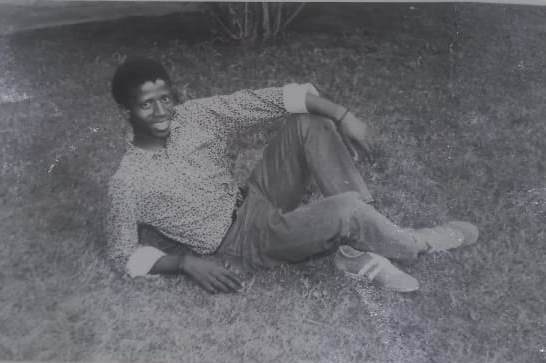
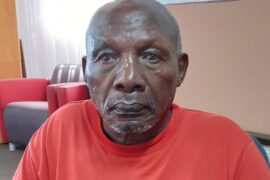
Towards the end of 1982, Hauser was redeployed to Lesotho after approximately two years in Mozambique. Although he was stationed in Maputo for a relatively short time, the country, its people, their languages and cultures made a lasting impression on him. Hauser’s Portuguese has become a bit rusty, but he picks it up quickly because “it is still here”, meaning the language is still in his head. When he hears Portuguese, the memories of his time in Maputo return, along with the Portuguese vocabulary he so diligently learned at the language institute. Hauser’s comrades, colleagues and friends in Maputo were a mixed bunch who spoke a multitude of languages; yet, because of the unifying effect of Portuguese, they could communicate with each other. They ‘fought’ in the liberation war together, even though it was done in a colonial language.
Sources
Gerhart, G.M. et al. 2017. From protest to challenge: A documentary history of African politics in South Africa, 1882–1990: Political profiles. Vol. 4. Johannesburg: Jacana Media.
Hauser Togoe Private Photo Collection.
Houston, G.F. 2013. Military bases and camps of the liberation movement, 1961–1990. Report prepared for Amathole District Municipality. Pretoria: Human Sciences Research Council. https://www.ancpl.org.za/wp-content/uploads/2018/12/camps.pdf
National Museum Oral History Collection: E.M. Togoe, 31 March 2025, 23 April 2025, 8 October 2025.
Sonderling, N.E. (Ed.). 1999. New dictionary of South African biography: Volume 2. Pretoria: Vista University.
Verwey, E.J. (Ed.). 1995. New dictionary of South African biography: Volume 1. Pretoria: HSRC Publishers.
Wieder, A. 2013. Ruth First and Joe Slovo in the war against apartheid. Auckland Park: Jacana Media. https://www.jstor.org/stable/j.ctt9qfx3x


Comments are closed.