

The age- old joke of “What do you call a fly without wings? A walk!” is to most just a typical dad-joke. But what many people don’t realise is that flies (Insect order Diptera) have quite a few species that are indeed “walks”.
More than 20 families of flies are known to have species that have reduced or absent wings, of which 17 occur in the Afrotropics. This reduction is typically due to selective pressures from their environments. These can be climatic conditions such as high wind, cold or overcast conditions, and especially in alpine environments, high altitudes and islands; adaptation to a parasitic lifestyle, either in insect nests or on vertebrate hosts; or living in cryptic habitats where wings have little function and would only get damaged (Bickel 2006).
Wing reduction in flies was classified by Hackman (1964) into four different categories, all preventing flight:
Brachyptery: distinctly reduced or shortened wings, broad and typically ending bluntly, shorter than the abdomen, radial veins distinct.
Stenoptery: wings very narrow, don’t allow flight, radial wing veins still distinct.
Microptery: wings further reduced to tiny appendages of varying shape, only traces of the radial wing veins remain.
Aptery: wings absent, at most represented by some setae.
Being flightless affects the appearance of these flies due to the loss of flight muscles, and it can affect the shape of the thorax, leading to modification of legs for adaptation to a cursorial lifestyle.
Some interesting flightless flies:
Braulidae or Bee Louse Flies (Fig. 1) are kleptoparasites of honey bees. They are small, compact, apterous flies. They cling to honey bees using specialised, comb-like tarsal claws. They then move towards the head of the bee and, as Argo (1926), describes it “frantically claws” at the mouthparts of the bee, which induces regurgitation by the bee. The braulid then feeds on this typically protein and fat-rich secretion which is usually reserved for the bee queen and larvae.
Mormotomyiidae, also called Terrible Hairy Flies or Frightful Hairy Flies (Fig. 2), are long-legged stenopterous flies, clothed in long hair-like bristles. They superficially resemble solifuges (also called sun spiders). They inhabit cave-like rock fissures in east Africa that are inhabited by insectivorous bats. They have some typical features of cave dwellers, such as reduced eyes and wings, as well as having long legs. The long hair-like body bristles slow their fall, making them appear to float down like feathers from a height.
Phoridae or Scuttle Flies are the posterchild of wing loss. Many species with adult females that are associated with ant and termite nests are flightless, and transported by male phorids during their nuptial flights. Some species exhibit striking modifications. One of the smallest flies in the world, Megapropodiphora arnoldi Brown, 2018, also has reduced wings, and potentially sheds them like other phorids that live inside a social insect colony. This fly has enlarged forelegs, and the species M. arnoldi is named after Arnold Schwarzenegger who is also known for his large forearms!
References
Argo, V. N. 1926. Braula coeca in Maryland. Journal of Economic Entomology 19: 170–174.
Bickel, D. J. 2006. Papallacta (Diptera: Dolichopodidae), a new stenopterous genus from the Páramo of Ecuador. Tijdschrift voor entomologie 149: 209–213.
Brown, B. 2018. A second contender for “world’s smallest fly” (Diptera: Phoridae). Biodiversity Data Journal 6: e22396. https://doi.org/10.3897/BDJ.6.e22396
Copeland, R. S., Kirk-Spriggs, A. H. Muteti, S., Booth, W. & Wiegmann, B. 2011. Rediscovery of the “terrible hairy fly”, Mormotomyia hirsuta Austen (Diptera: Mormotomyiidae), in Eastern Kenya, with Notes on Biology, Natural History, and Genetic Variation of the Ukasi Hill Population.
Figure Captions:
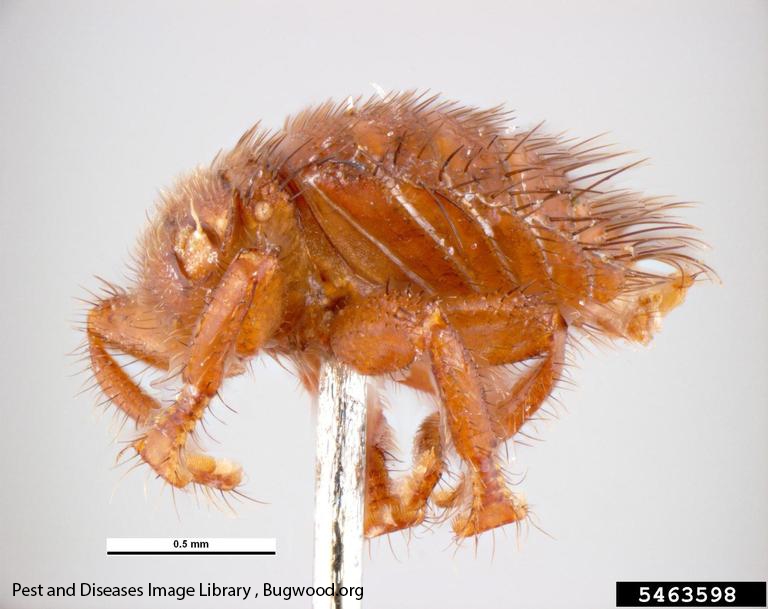 Figure 1: Image of Braula coeca Nitzch, 1818, showing the absence of wings and strange shape of the fly (Pests and diseases Image Library, Bugwood.org).
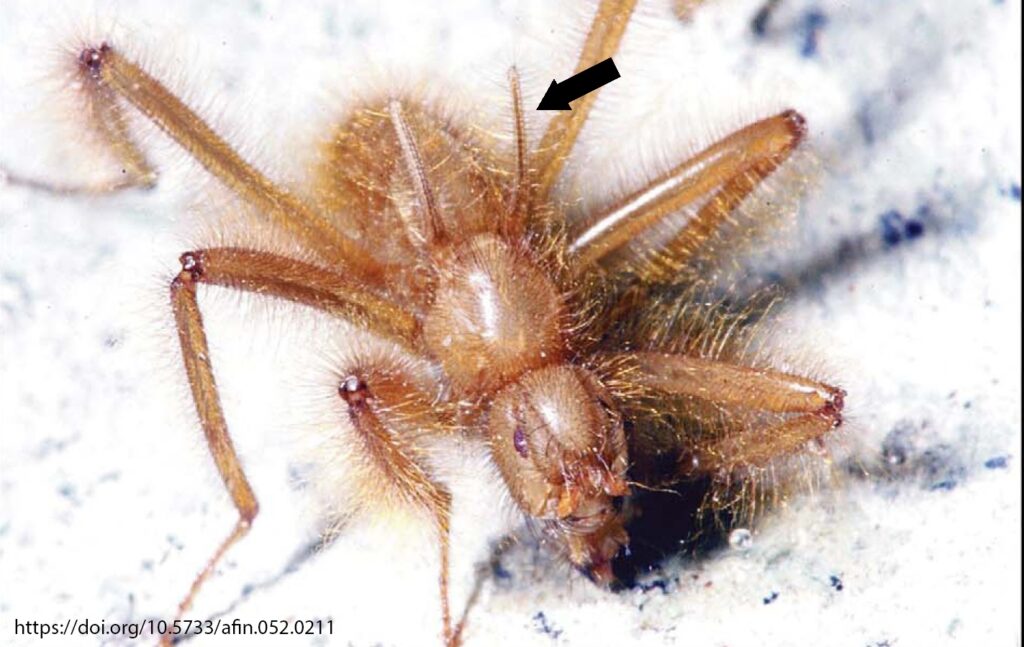 Figure 2: Habitus image of Mormotomyia hirsuta Austen, 1936, showing its spidery appearance (Copeland et al. 2011). Its straplike wings are indicated with an arrow.
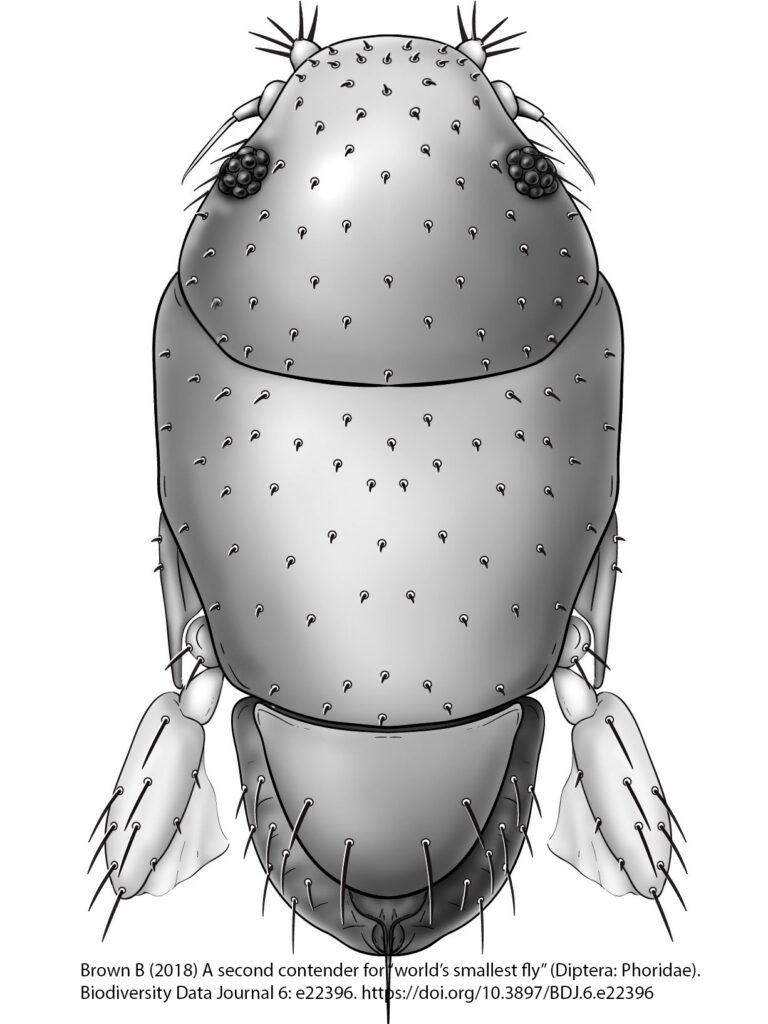 Figure 3: Habitus image of Megapropodiphora arnoldi Brown, showing its enlarged forelegs (Brown 2018).



Comments are closed.