


Every year, thousands of insects visit our gardens. While some are purely pests (such as plant lice), and others are pollinators (such as honey bees); there is a group of insects that skirt the knife’s edge between being both pests and pollinators, with the added bonus of being pretty too: Butterflies (and sometimes moths).
Butterflies and moths belong to the order Lepidoptera, which is Greek for scaled wing. What many people don’t realise is that butterfly (and moth) wings are made up of thousands of minute scales of different colours (Fig. 1).
Lepidoptera are holometabolous, meaning they undergo complete metamorphosis, i.e. they develop from egg to larva (typically called a caterpillar) to pupa to adult.
A nice example is that of the citrus swallowtail butterfly (Fig. 2). The larvae start out looking like bird droppings (Fig. 3), which keeps them camouflaged and safe from birds and other predators. As they develop into mature larvae they get quite large and green, and have a special orange coloured forked organ called the osmeterium (Fig. 4), which they use to scare off predators.
Butterflies are, however, not just pretty. They are pollinators of numerous plants, and they are important ecosystem health indicators, as they are sensitive to environmental change. An area without a large diversity of butterflies can indicate habitat disturbance such as pollution.
Luring butterflies to your garden is an excellent way of increasing the aesthetics of your garden while at the same time producing a habitat with increased insect diversity.
One way of luring butterflies is to provide them with a mixture of sugar water soaked up in a sponge to make sure that they don’t drown when landing to feed. An alternative is to put out a plate of overripe fruit (which would have been thrown out or composted). An excellent lure is to make a slurry consisting of overripe bananas, some beer, molasses, and some additional sugar. This fermenting concoction can then be soaked up in some dishwashing sponges and hung around the garden.
Of course, the best way to sustainably lure butterflies to your garden is to plant vegetation such as flowers and shrubs that are suitable hosts for caterpillars to feed on and develop into adults. Many species have specific host plants and creating such a butterfly garden will help to greatly increase the diversity of insects and butterflies in your garden.
Here are five species of butterfly you might have seen around your garden:
- Meadow white (Pontia helice helice) (Fig. 5)
These butterflies occur the whole year round, and are very widespread throughout South Africa. Larval food includes Sweet Allysum and Wild mustard.
- Painted lady (Vanessa cardui) (Fig. 6)
Common throughout South Africa, especially in drier areas. They typically peak just before and after winter. Larval food includes African daisy.
- Yellow Pansy (Junonia hierta cebrene) (Fig. 7)
This butterfly is quite fond of rotting fruit. It occurs throughout most of South Africa except for warmer Northern Cape area. Larval food includes bush violet and fairy stars.
- Brown-veined White (Belenois aurota) (Fig. 8)
This butterfly would be familiar to most people, as it migrates across the country almost every year in vast numbers. Larval food bead-bean, bush cherry and also wild caper bush.
- Pea Blue/Long-Tailed Blue (Lampides boeticus) (Fig. 9)
It occurs in all biomes throughout South Africa. Larval food includes many Fabaceae including lentils, peas and beans. They also feed on cancer bush.
Larval food information condensed from Woodhall (2005).
References:
Woodhall, S. 2005. Field guide to butterflies of South Africa. Struik Publishers, Cape Town.
Figure captions
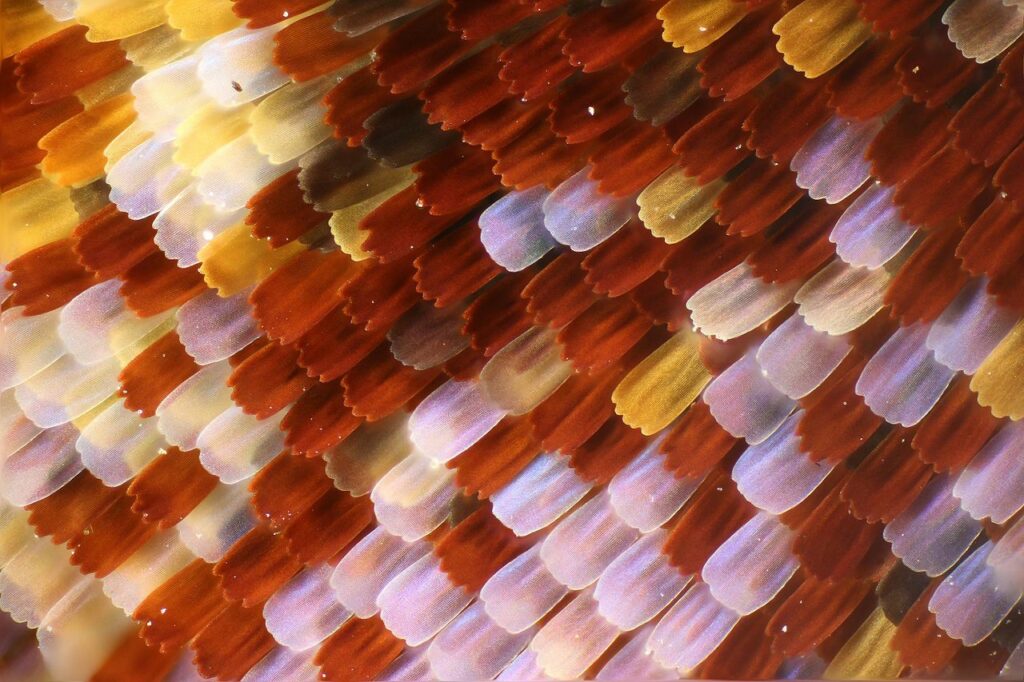 Figure 1: Close-up of butterfly scales showing the ultrastructure. Photo by Anatoly Mikhaltsov, CC BY-SA 4.0, via Wikimedia Commons.
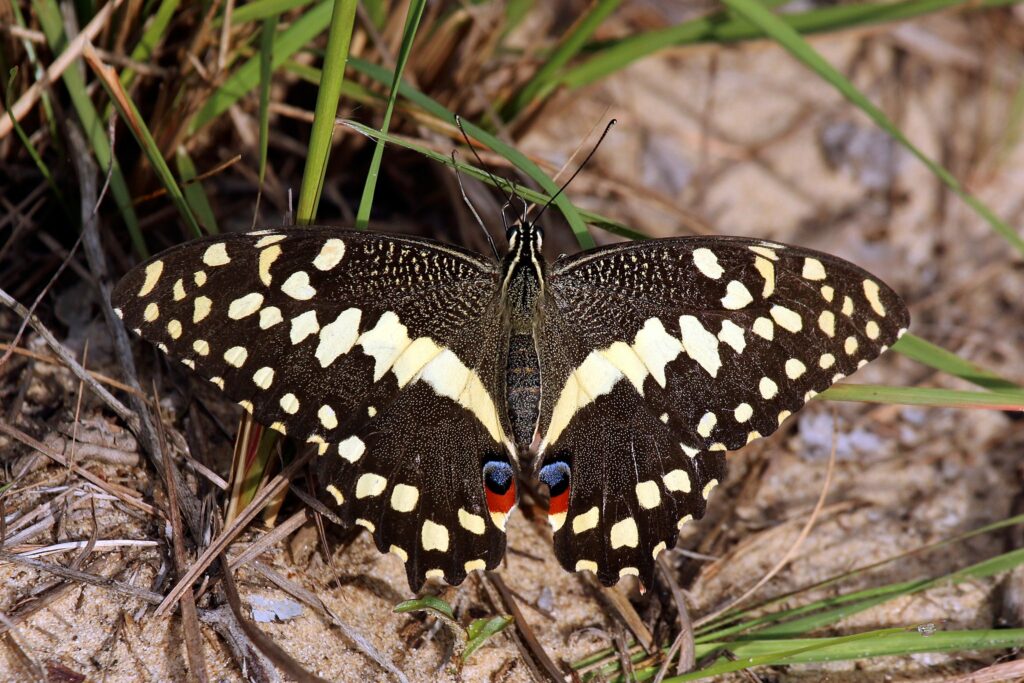 Figure 2: Adult citrus swallowtail butterfly, Papilio demodocus Esper. Photo by Charles J. Sharp, CC BY-SA 4.0, via Wikimedia Commons.
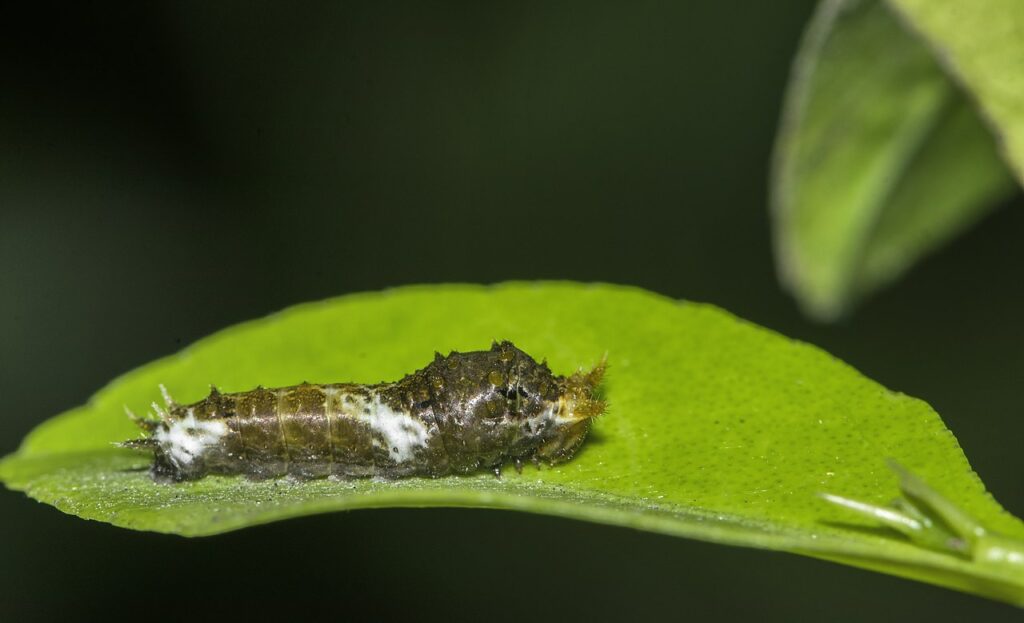 Figure 3: bird dropping-like appearance of a young Papilio polytes Linnaeus. Photo by SVKMBFLY, CC BY-SA 4.0, via Wikimedia Commons.
 Figure 4: Papilio demodocus Esper final instar, showing extended osmeterium. Photo by Jon Richfield, CC BY-SA 3.0, via Wikimedia Commons.
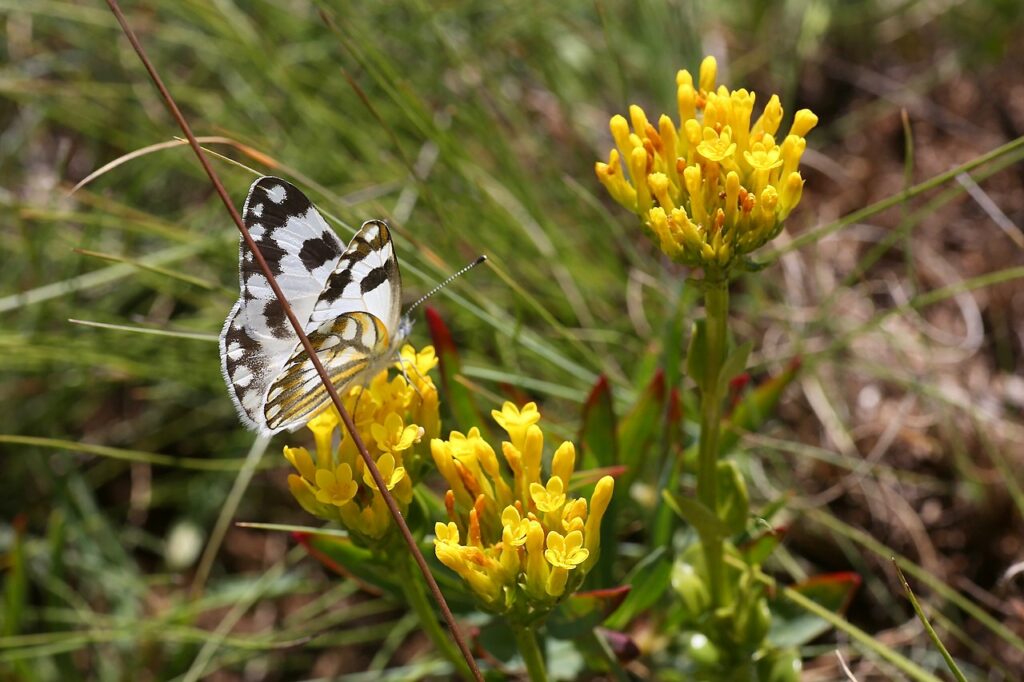 Figure 5: Meadow white (Pontia helice helice). Photo by Dr Alexey Yakovlev, CC BY-SA 2.0, via Wikimedia Commons.
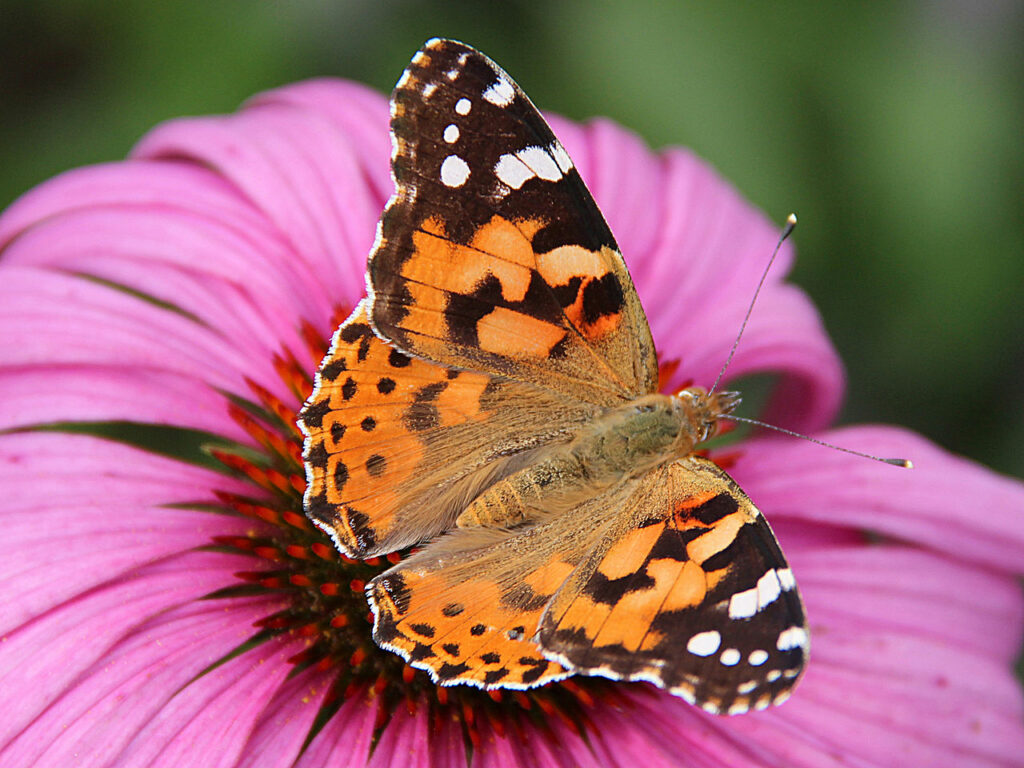 Figure 6: Painted lady (Vanessa cardui). Photo by Jean-Pol GRANDMONT, CC BY 3.0, via Wikimedia Commons.
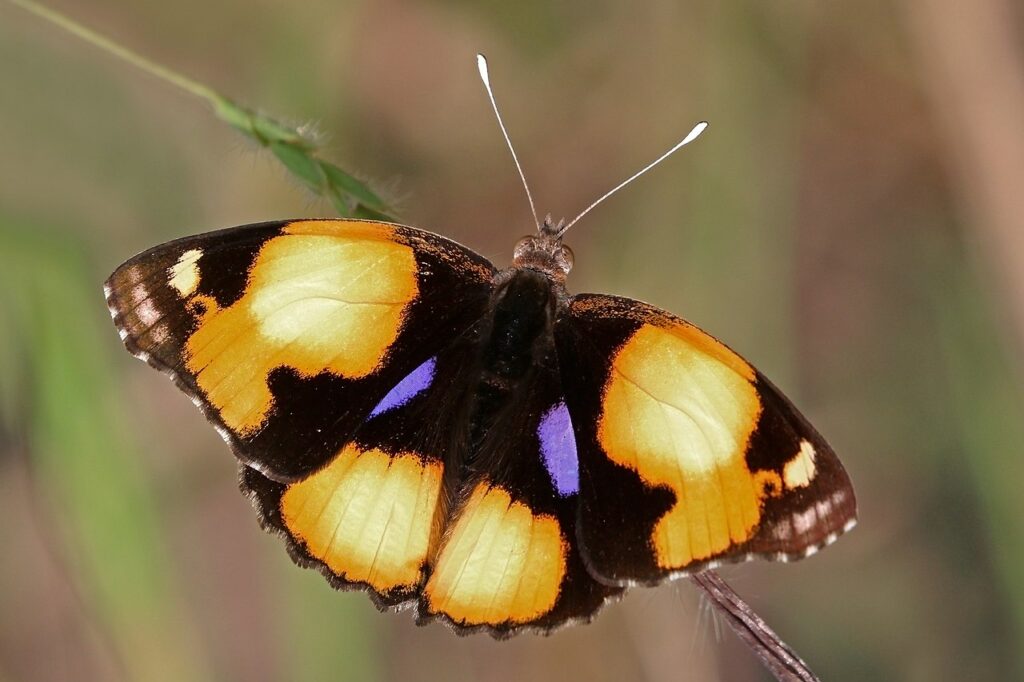 Figure 7: Yellow Pansy (Junonia hierta cebrene). Photo by Charles J. Sharp , CC BY-SA 4.0, via Wikimedia Commons.
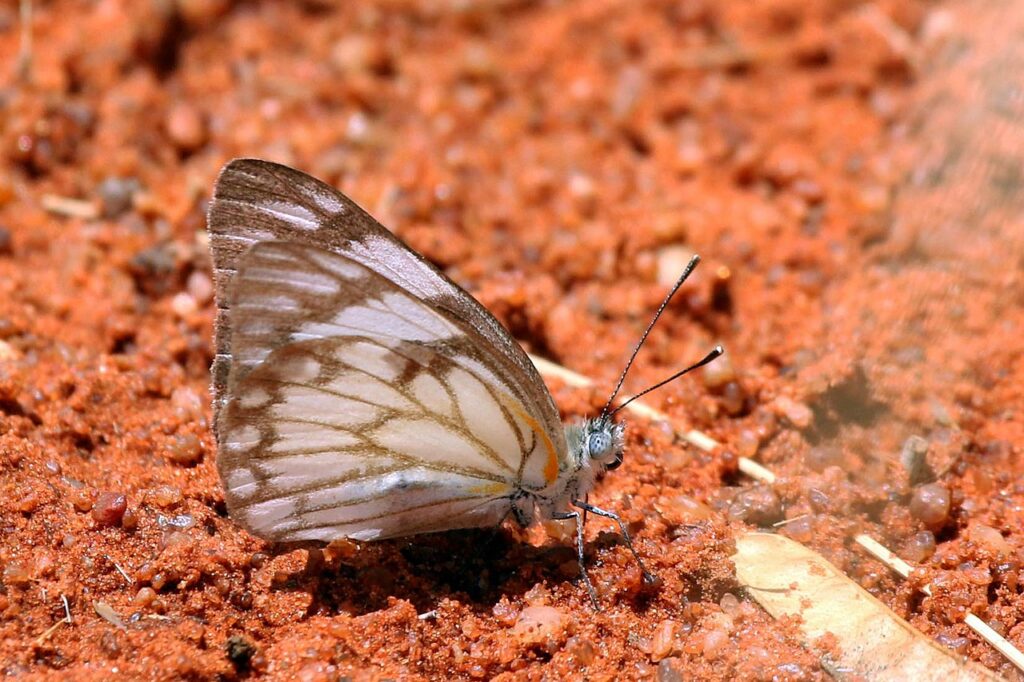 Figure 8: Brown-veined White (Belenois aurota). Photo by Charles J. Sharp , CC BY-SA 4.0, via Wikimedia Commons.
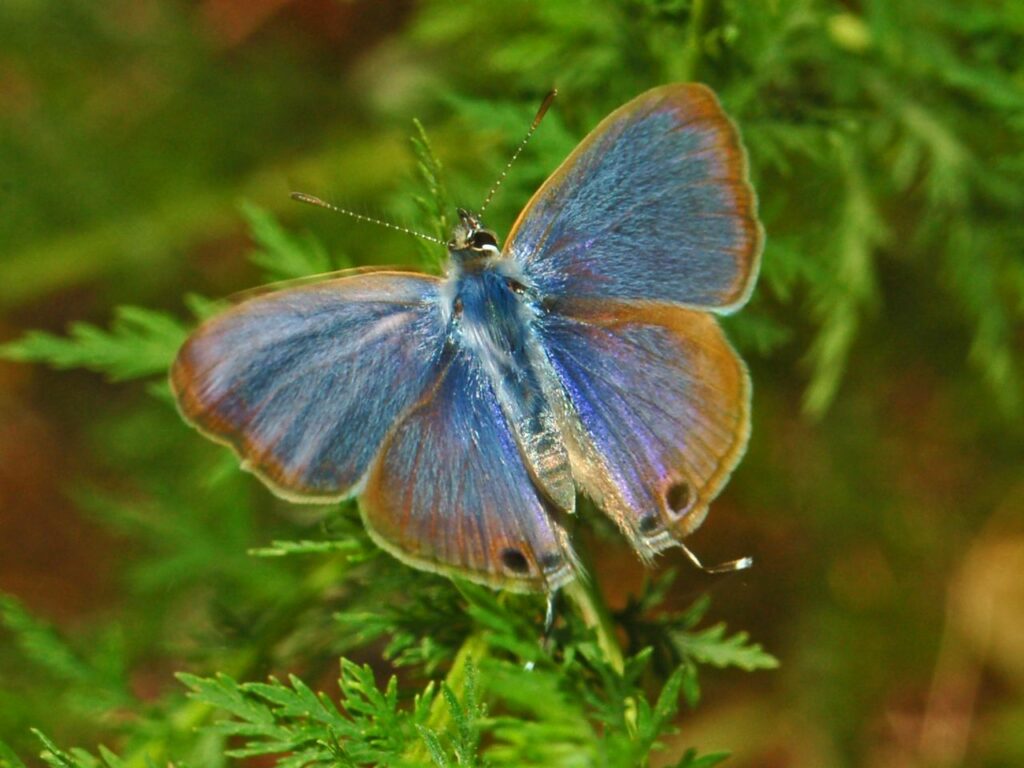 Figure 9: Pea Blue/Long-Tailed Blue (Lampides boeticus). Photo by Hectonichus, CC BY-SA 4.0, via Wikimedia Commons.



Comments are closed.