

The tender illusion of wax
Did you know that wax has been a prized material in doll-making since the Middle Ages?! Its plasticity and ability to maintain shape made it perfect for crafting lifelike figures, especially during the 18th century. From imitation fruits to religious figures, wax was used in many art forms before becoming a favorite medium for creating stunning, realistic doll heads.
By the 19th century, two main methods emerged: the wax-over-composite technique, which was easier and cheaper, and the cast wax method, known for creating incredibly detailed and lifelike expressions. These dolls often featured hair implanted strand by strand, glass eyes and life-like painted features.
Some of the prominent makers, Montanari and Pierotti, to name but a few, crafted iconic wax dolls prized for their intricate design. Though wax dolls faded in popularity by the 1930s, their artistic beauty and realism continue to captivate collectors and museumgoers today. These include lifelike wax figures, the most famous of which are found in Madame Tussauds in London.
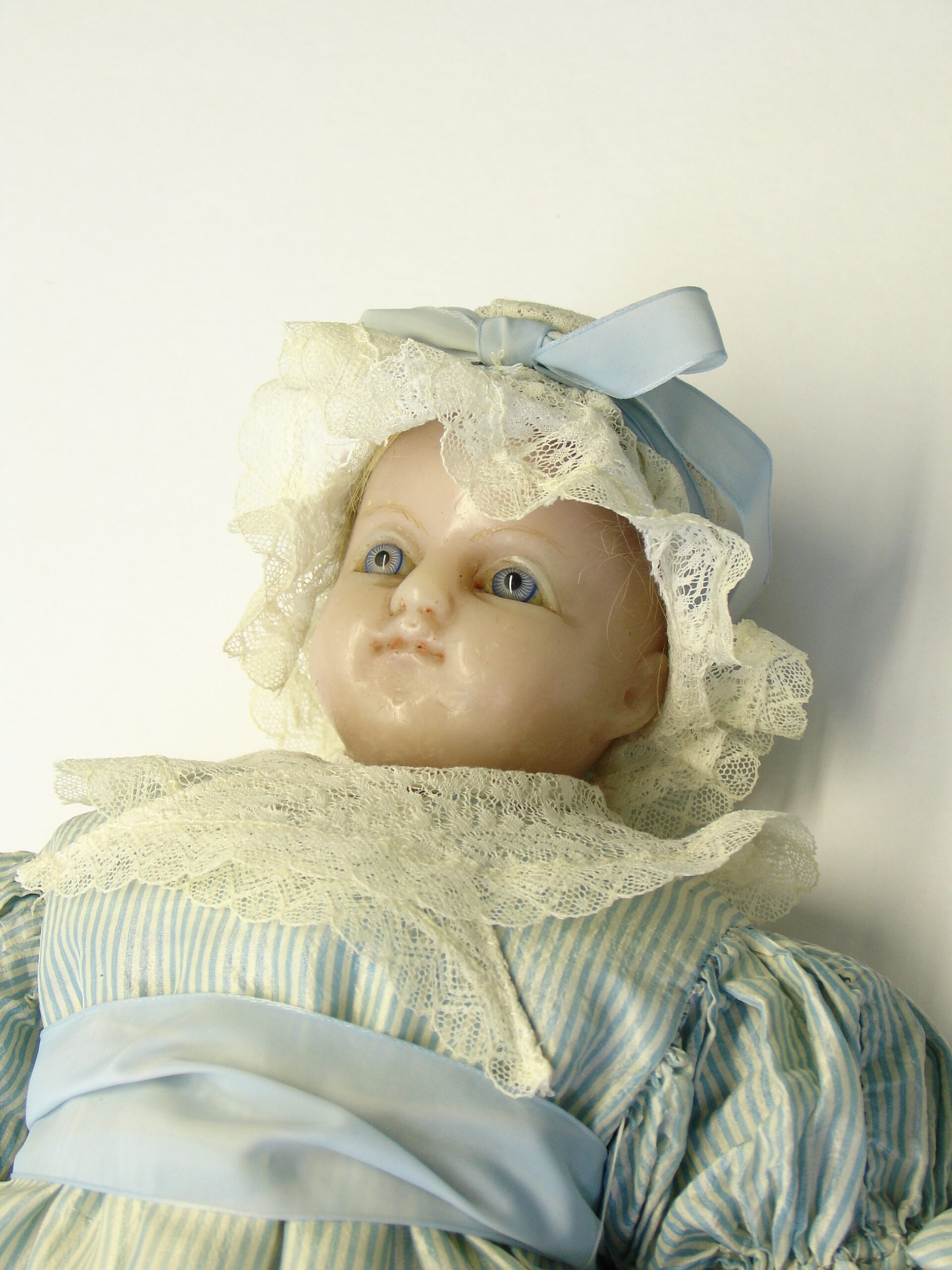
The National Museum’s textile collection houses a wax doll (c. 1870). With her blue glass eyes, blonde hair, pale translucent skin and Victorian-style dress, she is a perfect example of the exquisite craftsmanship of the time.
The beauty of fish scales
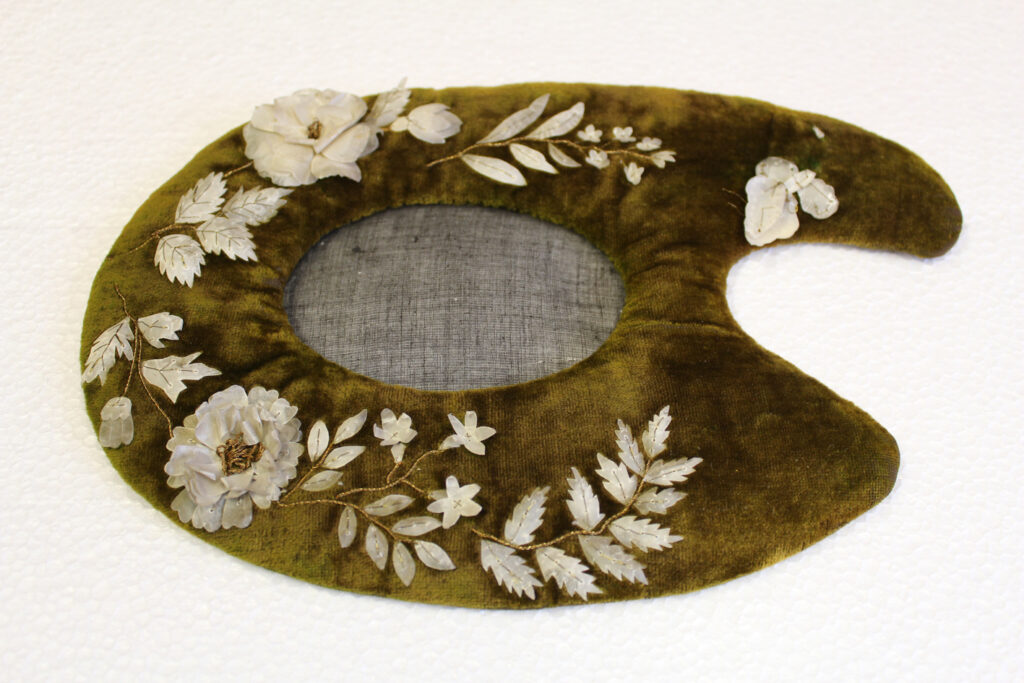 Fish scale embroidery was very popular in the 19th century and was used to decorate everything from mantel draperies and cushions to scarves and purses. Fish scales were harvested from perch-like fish, carp, and even goldfish. Each scale was carefully prepared to highlight its natural iridescence before being sewn onto luxurious fabrics like velvet, satin and silk. Gorgeous designs featuring flowers like forget-me-nots and roses, butterflies and hummingbirds, were brought to life with shimmering fish scales.
The process of fish scale crafting itself was incredibly meticulous: scales were softened, pierced, and sometimes even coloured with varnish to make them glow. They were arranged in overlapping patterns, and fine silk or gold thread was used to perfect the designs.
Though this technique was most popular in the Victorian England, it is still admired today for its timeless elegance.
“Hooked” on a bag
 Pockets in women’s clothing were seldom considered a necessity or fashionable. Even today, pockets are omitted from many female garments. During the 17th century, women’s mode did include a separate pouch or pocket worn around the hips and hidden under layers of clothing, making it very hard to reach.
To side-step this problem, women came up with an innovative solution – the chatelaine. Dating back to the 16th century, a chatelaine was not originally a bag at all. It was a decorative clasp worn at the waist, from which various tools and small items dangled: scissors, thimbles, keys, watches, and even vinaigrettes. The name comes from the French word châtelaine, meaning the mistress of a castle, because she physically held the keys to the wine cellar and the pantry. As the chatelaine grew in popularity, the designs became more elaborate, and materials used included gold and silver inlaid with diamonds and enamel. Chatelaines were popular with mothers and nurses, women who were responsible for many tasks all at once.
By the late 19th and early 20th centuries, the chatelaine handbag emerged, a small purse hooked on the belt or waistband for easy access and security.
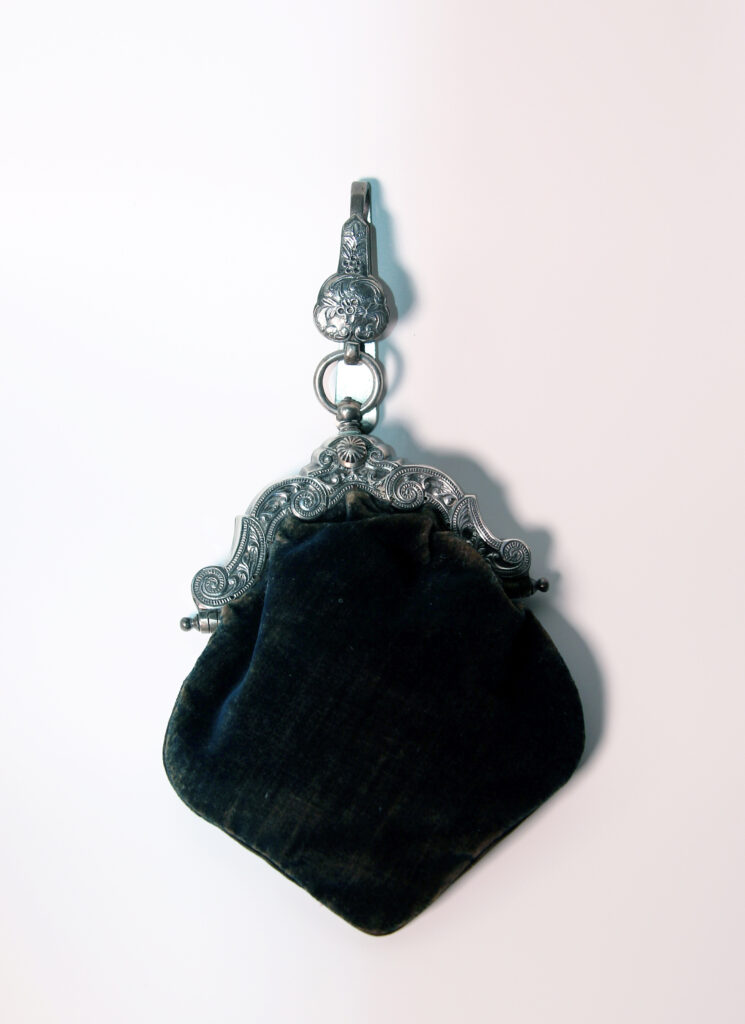
The textile collection of the National Museum houses a black velvet chatelaine bag with an intricately decorated silver frame and hook from around 1880.
Zulu pottery – Patterns with purpose
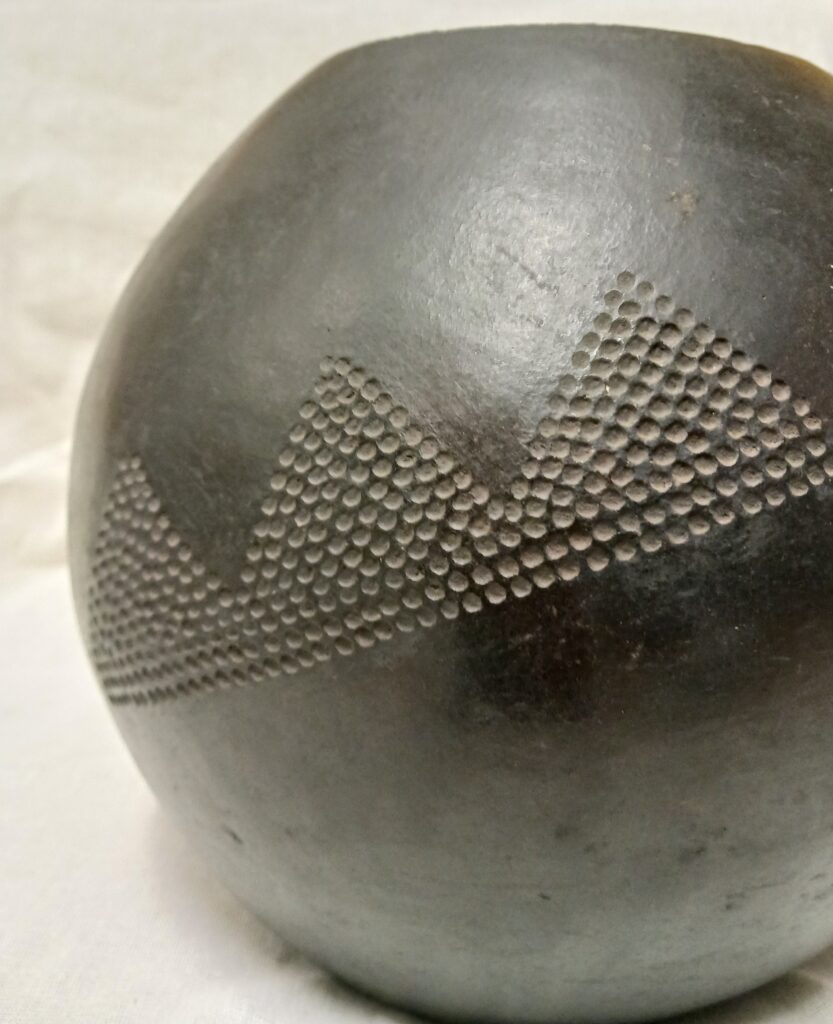
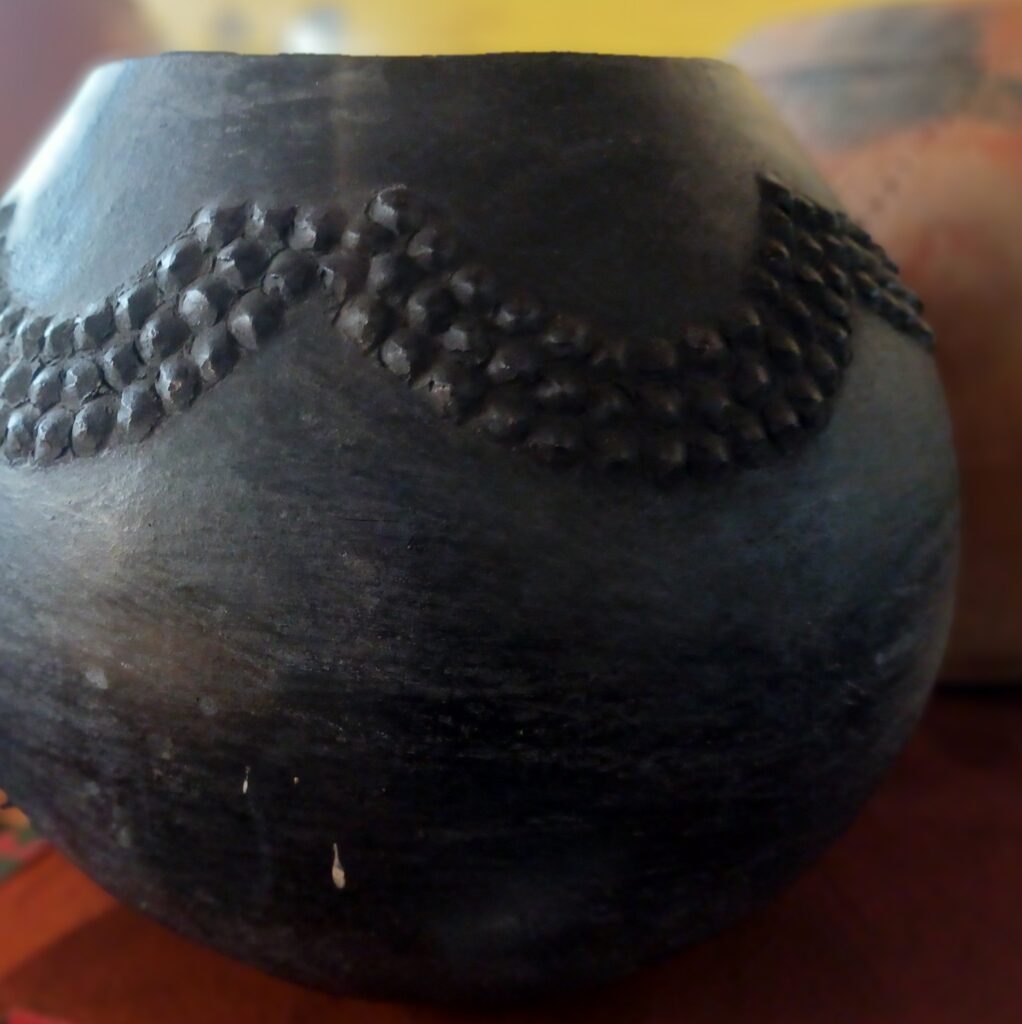
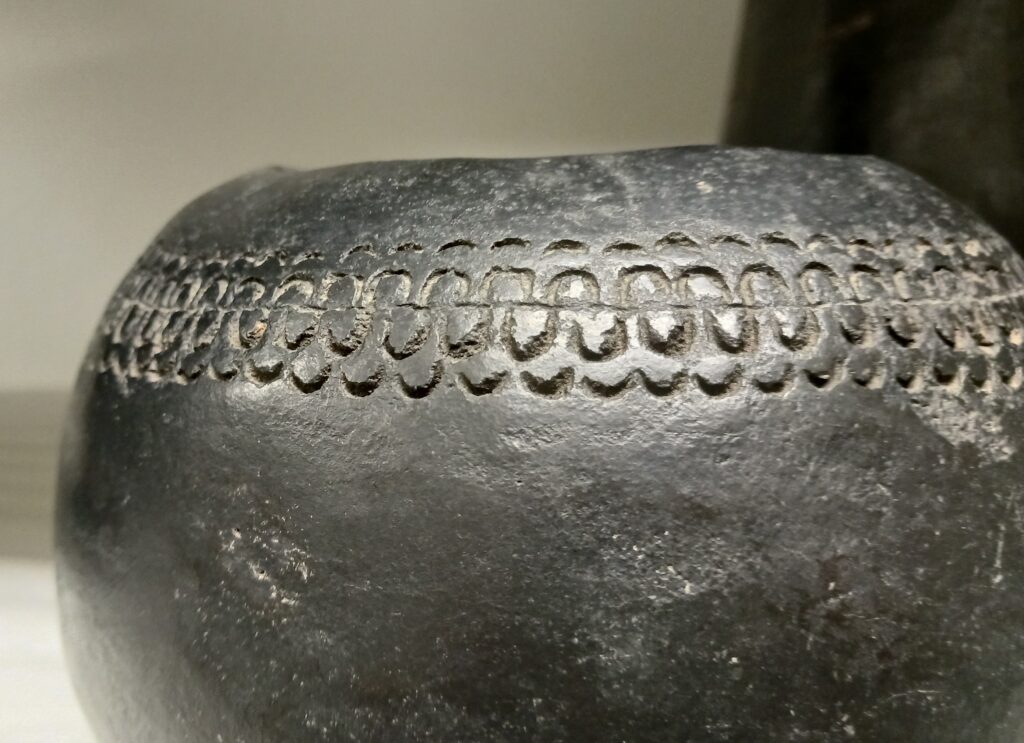
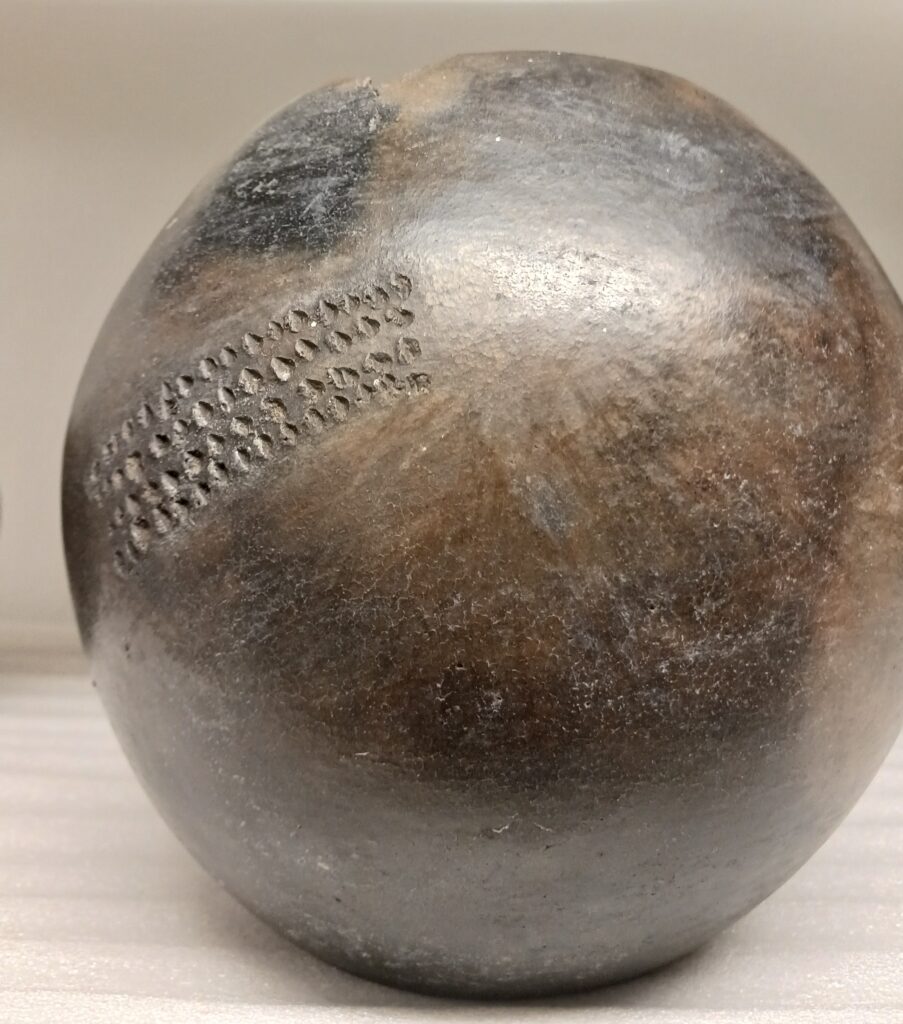 Zulu pottery is known for its elegant shapes and detailed surface decoration. One of the most common and important varieties is the ukhamba, a round beer pot traditionally used during ceremonies and social gatherings. These pots are made by hand, usually by women, from locally sourced clay.
What makes Zulu pots special is their decoration. Many are covered in fine, repeating patterns made by stamping the clay while it is still soft. The tools used for this are simple and often handmade — the end of a stick, a nail, a piece of bone or even a fingernail. These tools leave tiny marks on the surface, creating lines, dots or geometric patterns. The result is a design that feels both rhythmic and balanced.
More skilled potters use what is called compound stamping. This involves tools like carved wooden combs that can produce several rows of patterns at once. The technique saves time and allows for more complex and detailed designs. Some vessels also feature raised decorations. These are made by adding small balls or coils of clay to the outside of the pot. These shapes can be purely decorative, or they may hold special meanings depending on the potter’s community or purpose of the pot.
For amaZulu, the pot is more than a practical object — it bears cultural weight and showcases the potter’s craftsmanship.
Sotho pottery – A tradition in colour
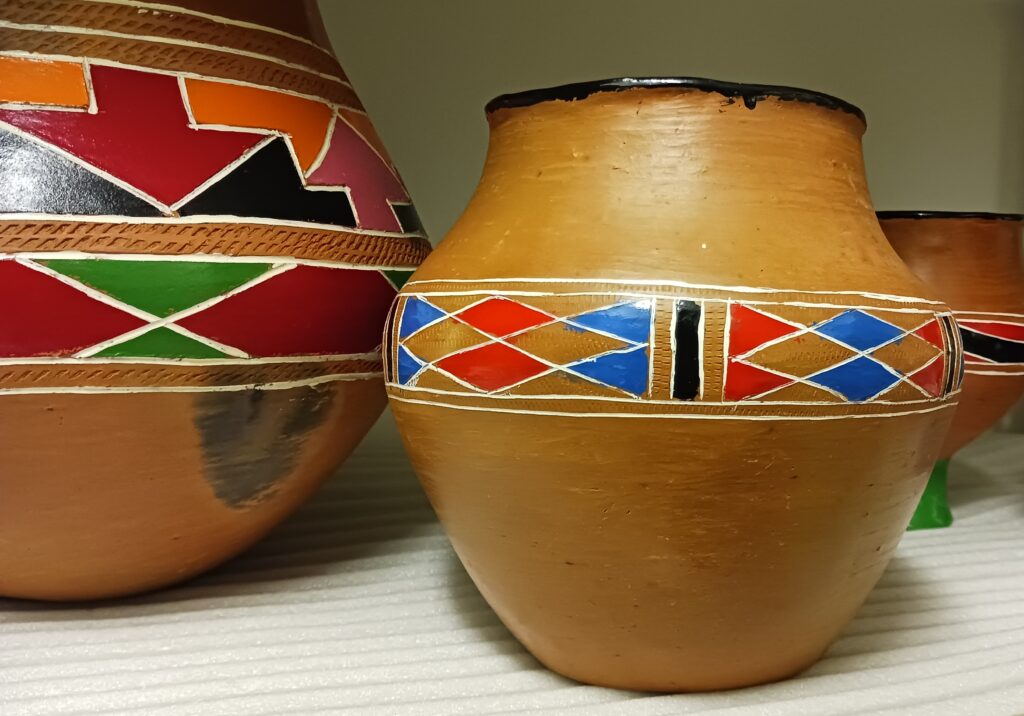 In recent decades, Sotho potters have found new ways to combine traditional techniques with more modern, colourful styles. Their earthenware is still shaped by hand and decorated using long-established methods, but today, many bowls are painted with bright enamel colours that add energy and freshness to the well-known forms. The process begins in a traditional way: a clay pot is shaped, smoothed, and then engraved with geometric patterns, such as zigzags, triangles and interlocking shapes. These patterns have deep cultural significance and are often passed down through generations.
What makes many modern Sotho pots stand out is the use of enamel paints. Colours like red, blue, yellow and green are carefully applied between the engraved lines, creating a strong contrast and a striking visual effect.
The introduction of enamel paint began as potters responded to new materials and new audiences, such as tourists and art collectors. Even so, the pots continue to hold cultural value. Many are still used in everyday life and for important ceremonies. At the same time, they are now appreciated as decorative or collectible art pieces in galleries and homes, both in southern Africa and abroad.
Sotho pottery shows how tradition can adapt and grow. It is a living example of how artists can honour their heritage while also exploring new ways of expression.



Comments are closed.