

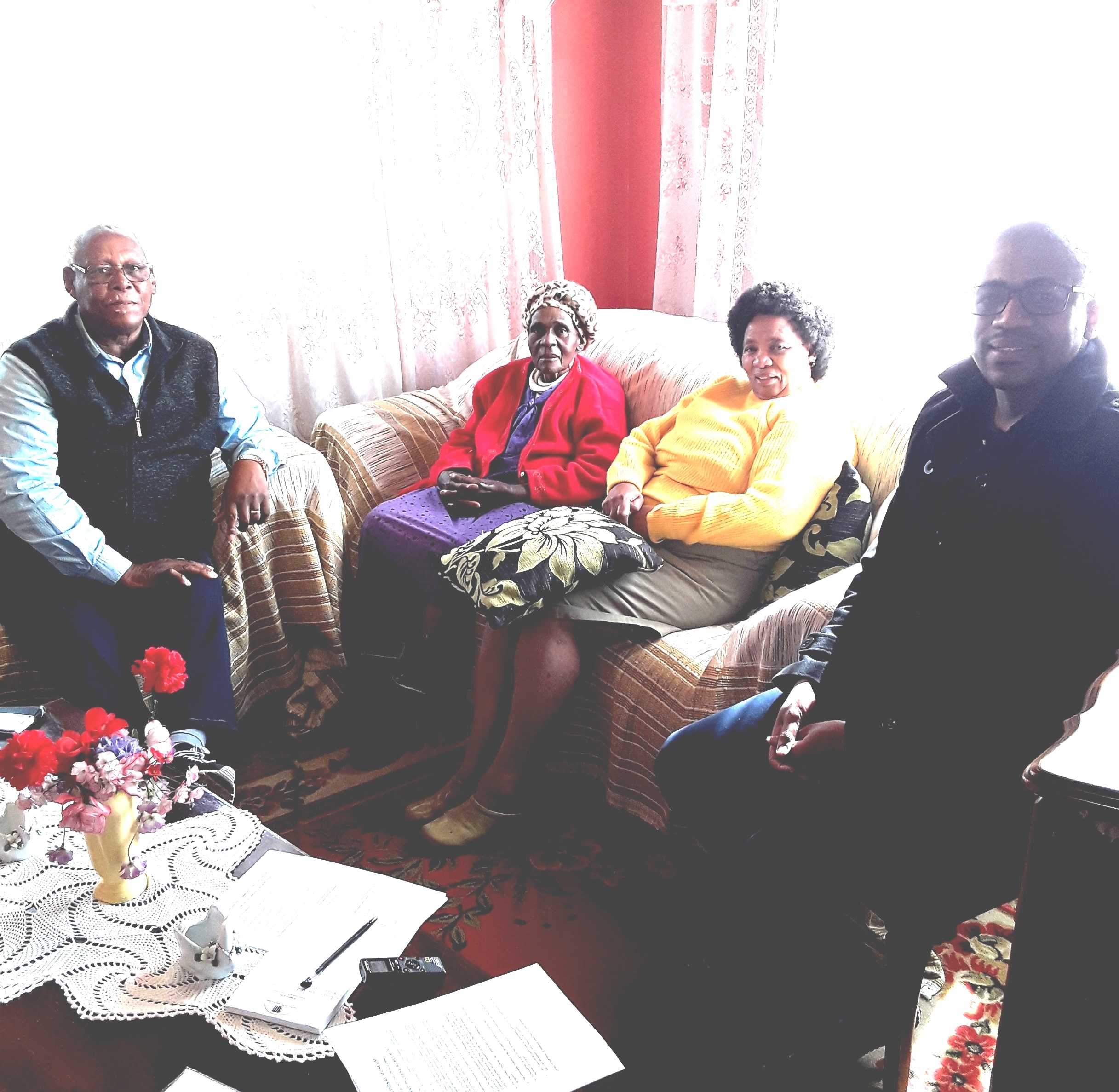
Khotso Pudumo of the National Museum, right, with interviewees: from the left, Michael Litsili, Angelinah Lande and Shirley Charlie
Speaking of Struggle and Freedom: Voices from Mangaung
The National Museum celebrated with a virtual exhibition profiling oral history interviews with struggle veterans and other individuals who have made a contribution to the liberation struggle in Mangaung.
Freedom Day commemorates 27 April 1994 when the first democratic election was held in South Africa. South Africans celebrate Freedom Day to mark the liberation of black people and other people of colour from a long period of colonialism and apartheid.
What does ‘freedom’ mean to South Africans today? What does ‘freedom’ mean to those who were born after 1994? And what does ‘freedom’ mean to those who lived under apartheid with its oppressive and discriminatory laws? These questions address issues that are crucial to our national dialogue and national conscience. For those who were on the receiving end of the apartheid system and who have participated in the liberation struggle, the concepts ‘freedom’ and ‘liberation’ are significant. ‘Freedom’ came as a result of ‘liberation’ and the long struggle that preceded it.
Young South Africans often gain a better understanding of the concepts ‘freedom’ and ‘liberation’ when they are exposed to the stories and lived experiences of those who had to endure apartheid. The National Museum considers these stories important not only because of the historical information they contain but also because of the multiple perspectives they provide on the sacrifices that were made for liberation and freedom.
Oral historians of the Museum’s History Department conducted interviews with struggle veterans and other individuals who have made a contribution to the liberation struggle in Mangaung. Many of them were inspired by the achievements of liberation struggle veterans such as Charlotte Maxeke (1874-1939), one of the first black women graduates in South Africa. The interviewees’ stories were recorded, translated and transcribed and are preserved at the Museum for research purposes.
Although only a small number of individuals are profiled in this exhibition, the excerpts from the interviews are meant to capture the varied lived experiences of those who have sacrificed for the liberation and freedom of all South Africans. It is hoped that by acknowledging their contribution, social cohesion among all South Africans will be strengthened.
- MAMANTELE VICTORIA MOKHUANE (b.1942)
Life under apartheid and the struggle for freedom
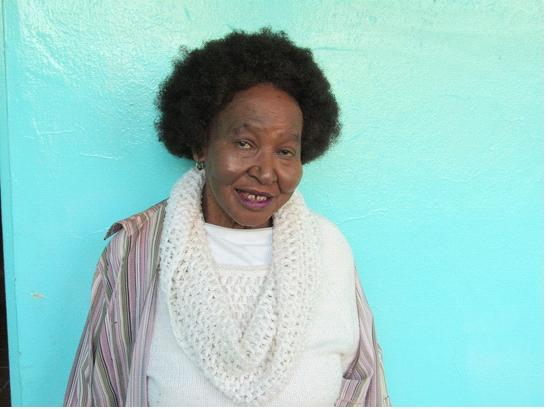
Q: Do you remember who your grandparents were?
A: ‘My grandfather was an ANC member. His name was Solomon Motshabi.’
Q: What can you remember that your grandparents told you when they were growing up about things that happened in Batho [township in Mangaung]?
A: ‘They told me that they used to live in Waaihoek [Mangaung’s first ‘location’ for black and coloured people but now demolished]. They were moved from it and moved to the location [Batho].’
Q: Can you tell me how it was like in Batho when you were growing up?
A: ‘There was this matter of people who weren’t working, they would get arrested [for loitering]. If you were a man and [found] walking in the streets, the [police] van that appears will take him.’
Q: It was called loaferskap [term used to refer to loitering]?
A: ‘Yes, from there on there was this thing that you had to pay tax. Besides, there was this ‘steam train’ [evening curfew siren] that was called ‘quarter to’ [siren went off quarter to nine every evening]. When you heard that ‘steam train’ and you as a black person were still in town, you had to clear yourself out of town. If you were still in town you would be arrested.’
Q: Did the platkeps [term used for municipal policemen of the apartheid era] beat people up?
A: ‘Platkeps did not beat people but they would arrest you very early in the morning, four am, they would knock at your house. They would then ask if you have visitors. We stayed in Rocklands [township in Mangaung] at that time. That time, we were three in Rocklands, was the time they decided to raid in Rocklands. My family was sitting in the house, the platkeps arrived and knocked on the steel door and you know how much noise the knock on that door makes!’
Q: How did those things make you feel?
A: ‘We did not realise its impact then.’
Q: When did you realise it?
A: ‘We realised it when we were older, that those things were apartheid things.’
- MAGDALENE MONYE (‘MABLESS’) NKONE (b. 1935)
Remembering my uncle Caleb Motshabi
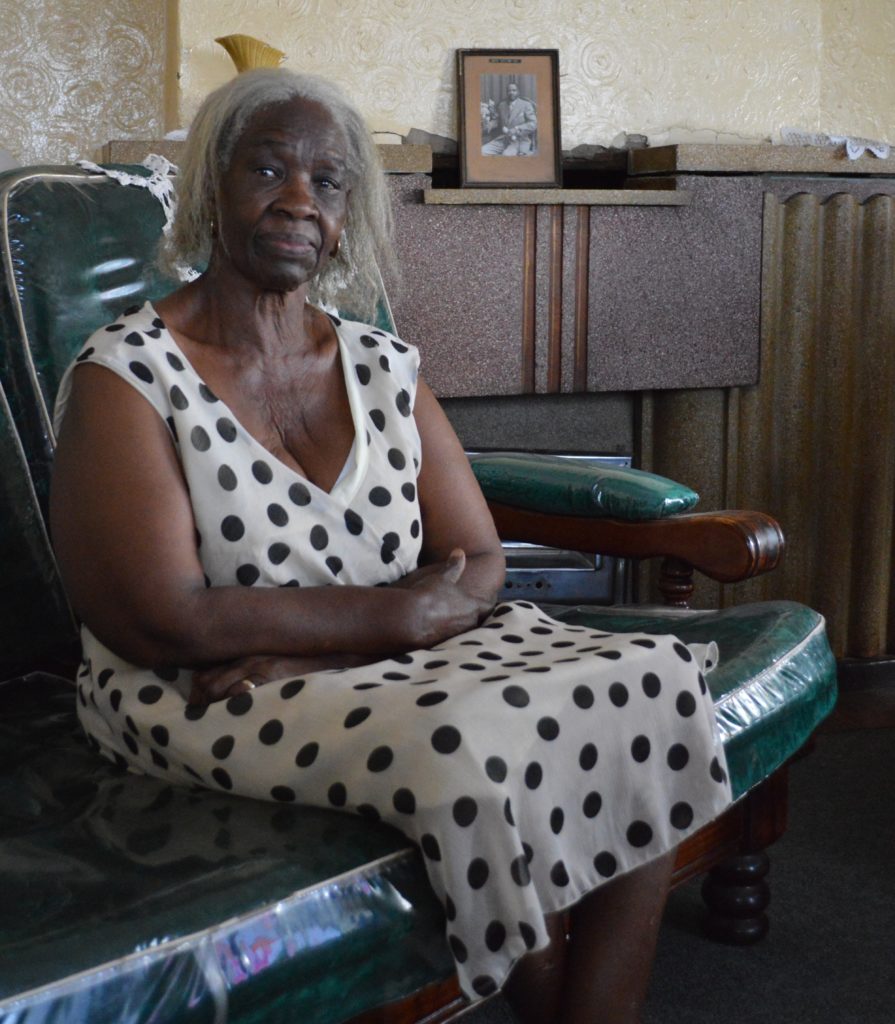
Q: What can you tell me about Caleb Motshabi [interviewee’s uncle who was the Free State commander of uMkhonto weSizwe (MK) and who became known for enabling a safe passage for young people who went into exile], how did he get involved in politics?
A: ‘Brother Caleb got involved in politics at a young age because we were also young. He is the first person in Bloemfontein who campaigned for politics.’
Q: I heard that he sold New Age [a left-wing newspaper that had close ties with the ANC]?
A: ‘Yes, he sold New Age and he would travel with a small suitcase. It was a disguise to fool the police for them not to know what he was doing. He took children’s medicines and had them in that small suitcase and whenever they [police] asked him…it was strict to be a salesperson during those times. He would tell them that he sells children’s medicines – those Lennon’s medicines.’
Q: Why did he [Caleb Motshabi] get involved in politics; what pushed him to get involved in politics?
A: ‘He saw how things were like. As a person you would witness and see the situation of the area where you live. How things are like in the world. The struggle, children not able to go to school and at that time we used to purchase school books and if you did not have money for school, you did not go to school. He fought for a lot of things that happened during those days. Why, with white people, things were different than the way they were with black people?’
Q: When the police were in pursuit of him [Caleb Motshabi] and they came to you, his family members, what did they do when they were looking for him?
A: ‘Yes, every time they came for him, they would start first by looking for him at his parents’ house. We hid them [political activists], we would put them on the ceiling and under the wooden floor [of the house].’
Q: What role did Caleb Motshabi play in the liberation of Batho township [Mangaung]? What is it that you see that the people in Batho appreciate?
A: ‘They are happy with what he did. He did a lot of things in Batho Location, brother Caleb, even though some people are envious of him and they do not want the BSI [former Bantu Social Institute, Batho] to be named after Caleb Motshabi. He did a lot of work and he was young when he started and he started politics at a young age. And he recruited a lot of children and many children skipped the country. He was arrested for a long time and [he was] 12 years in prison.’
- MASABATA FLORAH MAFATA (b. 1956)
Remembering those who fought for freedom
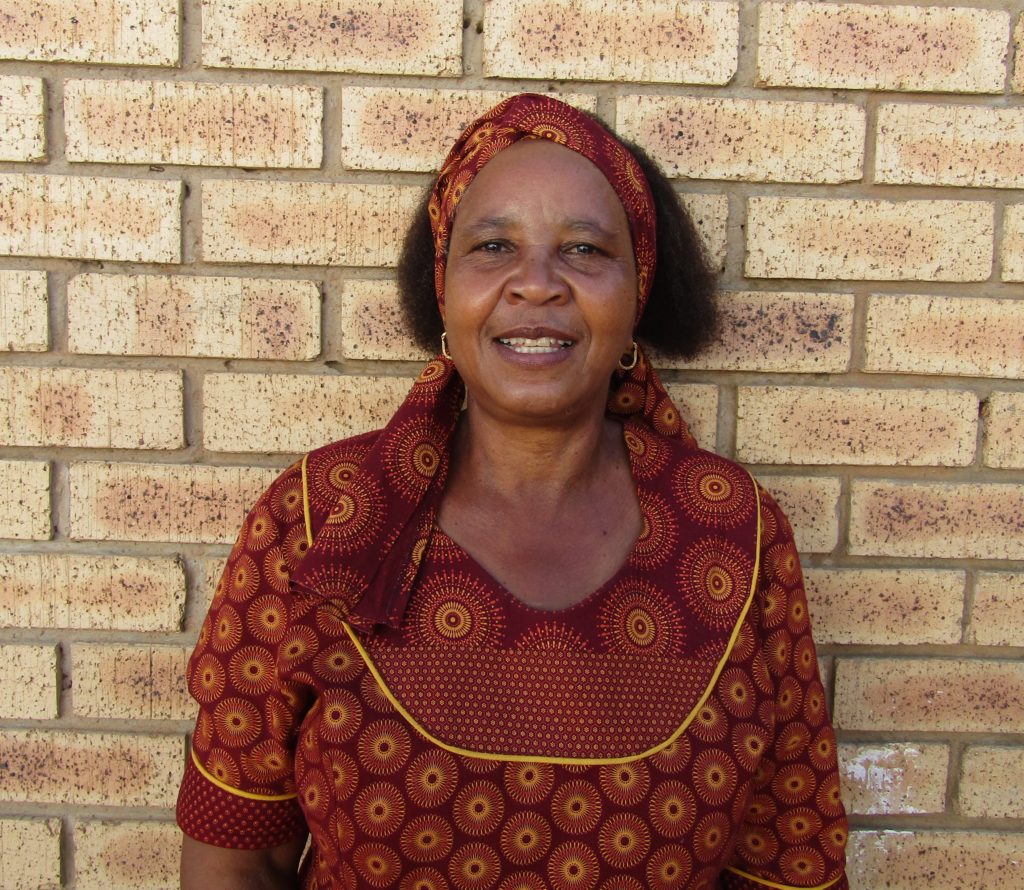
Q: Political activism – how was it like [during the 1970s]?
A: ‘At that time the spirit of politics was very high but the meetings were held secretly because the police would mostly arrest people who were in a gathering.’
Q: Can you tell me, please, what do you remember of those secret meetings and where were they held?
A: ‘The meetings were held at Mr [Thomas] Mapikela’s house [Ulundi Kaya, Batho], also close to the park square [Mapikela Square, Batho]. I forgot the name of it but they [meetings] were held at night and people attending there, they would walk one by one on foot, not using cars. It was difficult for them to attend because it was close to the police station [Batho police station].’
Q: Who were the leaders that you still remember back then, except Mr Mapikela?
A: ‘Look, I remember Mme Winkie Direko [former Free State premier]. She was among the learners when the police were trying to arrest the learners because Sehunelo [High School, Batho] was one of the schools fighting [for liberation]. Look, when they threw teargas at the learners they ran into people’s yards and took clothes that were on the washing lines to disguise themselves so that they could go to their homes [unnoticed].’
Q: Do you remember Mme [Martha Moipone] MaMotlhakwana?
A: ‘Yes, I remember Mme MaMotlhakwana.’
Q: What do you remember about her?
A: ‘She was a brave woman along the likes of Mme Winkie Direko. They were not scared of the police and they spoke freely to them [police officers]. Just like Mme Winnie Mandela, they were that kind of women. [The year] 1980 was a terrible time, especially in [Mangaung] schools. Learners were on a war path with the police. They made their own teargas and faced the police head on, Khotso [interviewer], and they [learners] fought without fearing anything.’
Q: Now, how did you experience the liberation struggle?
A: ‘This liberation struggle corrected a lot of things that were not right.’
- MODISE PHEKONYANE (b. 1956)
What it means to be an activist for freedom
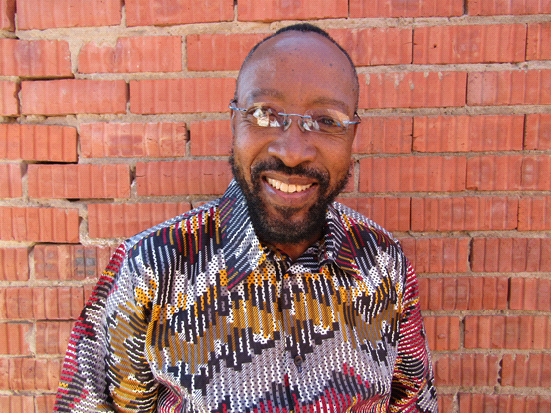
Q: Yes, papa, can you tell me what your role in the struggle was?
A: ‘I was an activist, I am still an activist and I dare challenge even the State President to be an activist, the cabinet ministers to be activists. Activism is a role that people play [sic] because they are never, in open and closed quotes: “Never satisfied with what they see”.’
‘Your stomach is never content, [it] is temporarily content. Like [after you have eaten] an ice cream you [feel] saturated [but] saturation is temporary. Activism and [an] activist spirit and their mindset and their perspective, the way they [activists] do things, they are never satisfied.’
‘Even until they die themselves and leave their activism to the next generation to continue. Hence, in Mozambique Frelimo and Samora Machel [former President of Mozambique] say: “Aluta Continua!”, the struggle continues.’
Q: Absolutely!
‘You understand, because we are surrounded by the imperial colonialism all over the world, do you understand?’
‘And people remain poor and it is not supposed to be like that, you can’t be content and satisfied as a doctor, you can’t be satisfied and content as a teacher, as a lawyer for as long as there is injustice. Socially, economically and otherwise, leave the world a better place than you found it.’
Q: Yes, so, that is the passion of an activist actually. The role, the main role that you have [is] to leave the world a better place. Not only the way you had found it?
A: ‘Activist[s], they have got passion, [they] don’t have desires. You can’t say, let us say, a politician has desire for this. Even biblically desire is something that could very well be something that is negative but, you see, activists, they have got a vision, they are visionaries.’
‘Passion speaks total dedication, you are rather burned, put through the fire [but] they [activists] will not surrender and they would rather die.’
Q: Those are the true activists!
A: ‘Do you understand? People were detained, people were hugely, severely tortured, people were bombed, people, I mean, terrible things happened in the struggle.’
- MOKONE MICHAEL LITSILI (b. 1948)
Life in Mangaung before freedom came
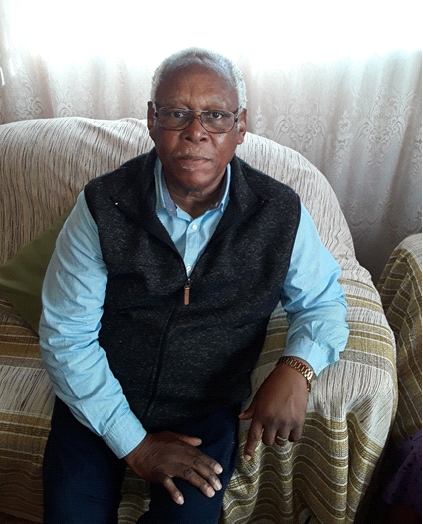
Q: Mr Litsili, what can you tell me about the ‘steam train’ [evening curfew siren]? I heard that it rang and when it rang you had to be out of town as a black person?
A: ‘The height of the [Bloemfontein] power station and at the top [of the building] there was a siren that was audible through the whole town. Yes, at 20:45 pm, if you are black you must get out of the town. At 21:00 pm, when the second siren goes and you are still there [in the ‘white’ town], they [municipal police] would lock you up. Yes, so, no black person was supposed to be that side of the railroad [Johannesburg-Cape Town railway track] after nine.’
Q: What happened when a person is arrested? Will that person be locked up?
A: ‘Locked up! Immediately that person gets locked up and then tomorrow morning you go to court. You get caught tonight, you sleep in the [police] cell and in the morning they [municipal police] take you to court and then you get fined. If you are a juvenile you would receive lashes.’
‘Yes, those were the things that they would do during those times. Otherwise you would pay a certain fee, maybe ten pounds, things like that.’
Q: What can you tell me about loaferskap [term used to refer to loitering]?
A: ‘Loaferskap, it was one thing that the then government did. They did not understand that you can say that you cannot find work. Every month when you were employed, your passbook [apartheid-era identification book] must be stamped and signed that you are working.’
‘I still have it [passbook]. Your employer must put the stamp of where you are employed. At Duro Brake & Clutch or Rooney Reed [Bloemfontein businesses] – that was where I used to work. So, every month the manager must sign it and indicate that you are still working there. When you leave work, you always had to go to the Home Affairs office as a work seeker. You must be registered as a work seeker and if you haven’t got a stamp [in your passbook], it is then considered loaferskap.’
The interviews were conducted by Khotso Pudumo of the National Museum. A transcription of the complete interview is available for public access.


Comments are closed.