How confident are we about the start of the known archaeological record?
National Museum archaeologist, Dr Will Archer, and his colleagues publish a commentary on this issue in the Journal of Human Evolution.


How confident are we about the start of the known archaeological record?
National Museum archaeologist, Dr Will Archer, and his colleagues publish a commentary on this issue in the Journal of Human Evolution.
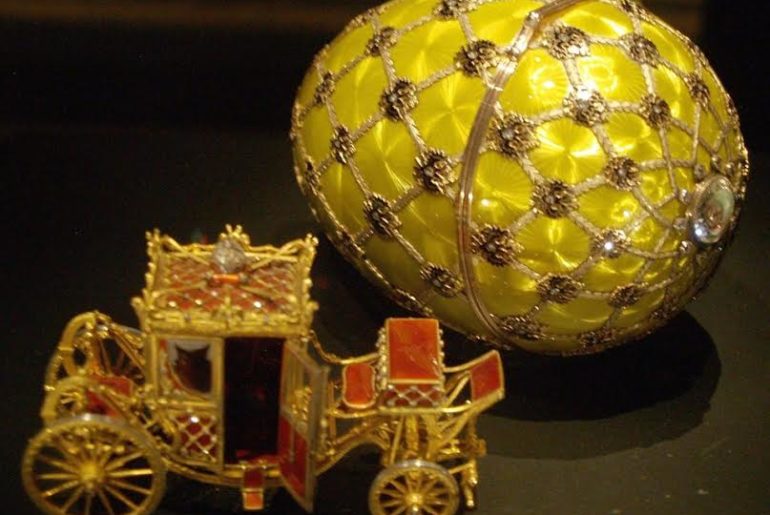
The humble Easter egg you will be enjoying this Easter weekend has a rich past. The rarest and most precious Easter eggs are the Russian Fabergé Eggs.
These are a collection of 50 bejeweled Easter eggs commissioned for the Russian royal family in the late 19th century.
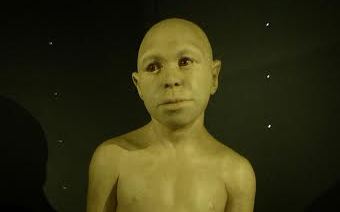
Using state of the art mass spectrometry, researchers have been able to fill gaps in our fossil records.
The analysis of ancient proteins now provides evidence that H. antecessor is closely related to Middle and Late Pleistocene hominins, including modern humans, Neanderthals and Denisovans. This is according to a new study published in Nature.
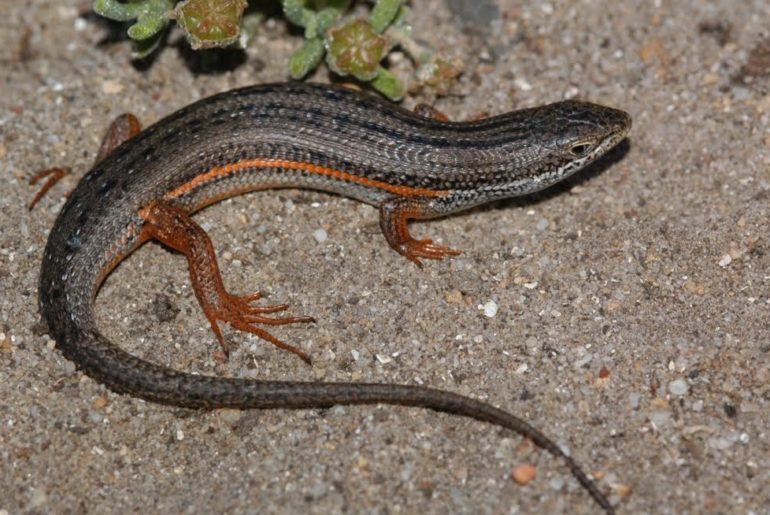
 Dr Michael F. Bates of the Herpetology Department has been appointed as a member of the Skink Specialist Group, part of the International Union for the Conservation of Nature’s (IUCN) Species Survival Commission.
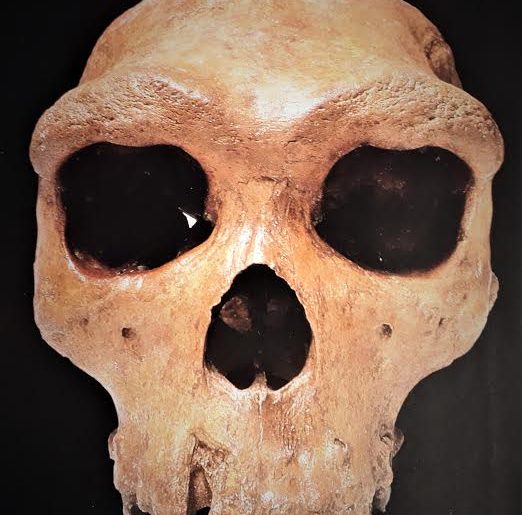
Dr James Brink, palaeontologist at the National Museum Bloemfontein, who sadly passed away in September 2019, was one of the team members of the project and co-author on the paper.