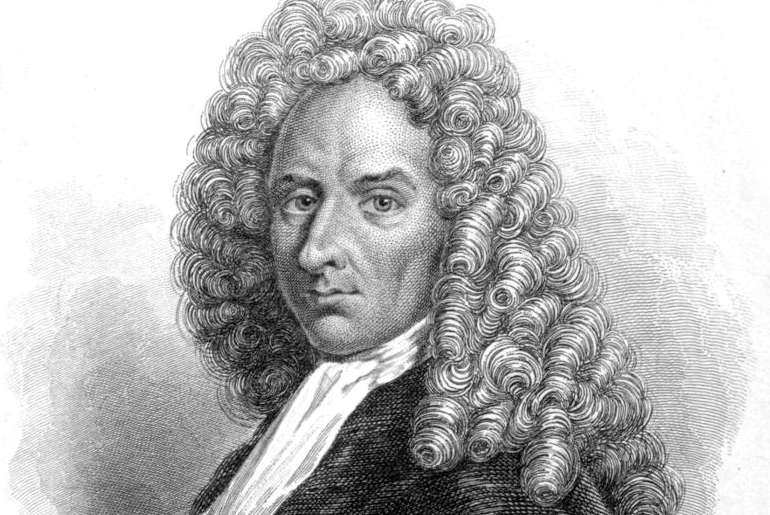
François Le Vaillant, born Vaillant (6 August 1753 – 22 November 1824) was a French author, explorer, naturalist, zoological collector, and noted ornithologist. He described many new species of birds based on birds he collected in Africa and several birds are named after him.
By Ina Marais
“Two birds flying high
A Chinese vessel, sailing by
A bridge with three men, sometimes four,
A willow tree, hanging o’er.
A Chinese temple, there it stands.
Built upon the river sands.
An apple tree, with apples on,
A crooked fence to end my song”
The willow pattern, or commonly named blue willow, is a distinctive and elaborate transfer pattern used on pottery, ceramic and porcelain ware. This instantly recognisable pattern resembles a classic Chinese landscape design in which the following should be present:
In the 19th century, the labour of working class women and children carried the Industrial Revolution forward. They had nimble fingers, a great asset in the new textile industry. But as is the case today, women were paid less than the men who worked alongside them.
In 1870, during the Franco-Prussian War (1870-1871), Napoleon II ordered one million cans of beef to feed his troops. In order to solve the problem of transporting and storing such large quantities of beef, John Lawson Johnston, a Scotsman, created a product known as ‘Johnston’s Fluid Beef’, later called Bovril.
Dolosse refer to the crude toys of bone used by children since the 1830’s to imitate a team of oxen pulling a wagon.
Dolosse were actually the knucklebones of sheep, cattle and goats, and with a little imagination looked quite similar in shape to oxen with their sharp horns in front and rounded buttocks.