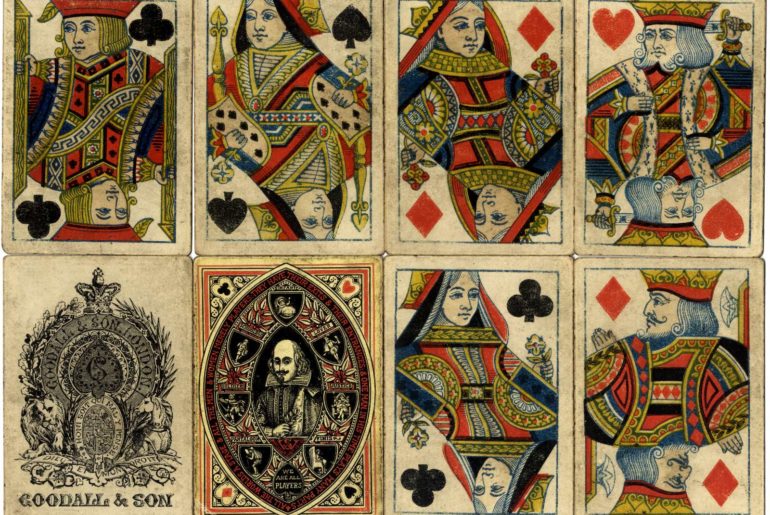
Klawerjas (or klaverjas/ klaberjass or ‘Klob’) is a Dutch card game played in South Africa, New Zealand, Australia and Canada, where it has become synonymous with minority (often expatriate) communities (Gibson, 1974). It was introduced during Dutch colonialism in the 17th century and became a popular colonial pastime amongst a wide cross-section of the population.
Constance Boniswa Tshabalala, ke moradi wa Sienah le Joseph Mothlale, o hlahile ka di 19 Phupu 1961 – matsatsi a 49 kamorao hore Afrika Borwa e be rephaboliki kantle ho British Commonwealth. Ha a na le selemo le halofo, o ile a ya dula le nkgonwae le ntatemoholwae, Michael le Mary Mothlale, le kgaitsedi ya hae Elsies River, Motsekapa.
Sixty-one years ago in 1958, a local golfer, David Motati (on the far right in the attached picture), won a stroke play event at the non-white golf course in Bloemfontein. Motati, also known by his nickname ‘Bobby Locke’ (after a famous white South African golfer), famously went on to caddy for Gary Player in the subsequent whites-only SA Open according to the South African Golf Association’s website . Today, this event and player is totally forgotten and even less is known about the history of golf within South Africa’s black communities.
Soccer, the most popular sport in the world, had an early start in the old Orange Free State. According to the available evidence, the first recorded soccer or football games in Bloemfontein were played during 1876 between St. Andrews College and the Cathedral Choir. Beyond Bloemfontein, the game found an early foothold in towns like Heilbron, Kroonstad, Bethlehem, Lindley, and Jagersfontein during the 1880s and early 1890s. These developments were driven by merchants, railway workers, miners, and a range of other immigrants that made the Republic its home.
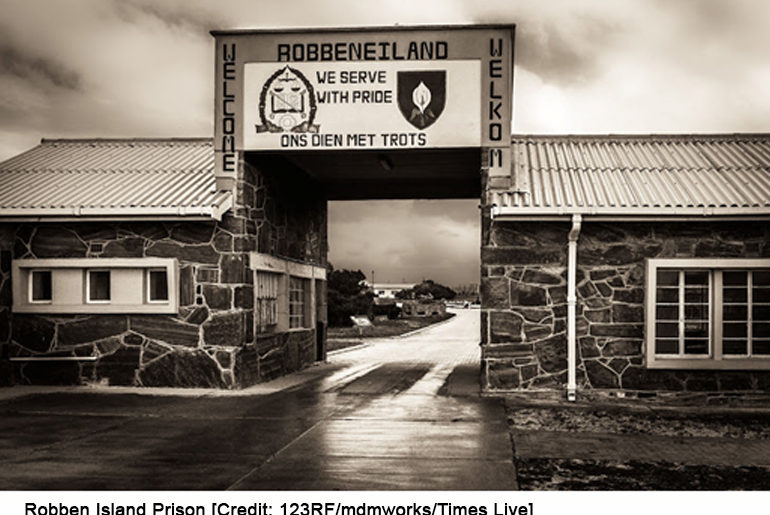
For over three centuries Robben Island, an offshore island within sight of the City of Cape Town, was used by successive governments as a penal settlement and isolation centre. Its detention centres served to safeguard the surrounding society. From the outset the island’s institutions followed a treatment regime that was harsh. During the apartheid years (1948 – 1994), it served as the primary place of detention for anti-apartheid activists who fought for the overthrow of the minority-ruled state.