John Weston is regarded as the father of aviation in South Africa. Weston was born in an ox wagon near Fort Marshall in KwaZulu-Natal on 17 June 1873. As a young man he travelled widely and trained as an engineer in Belgium. He then worked for various engineering companies – from America to Russia.
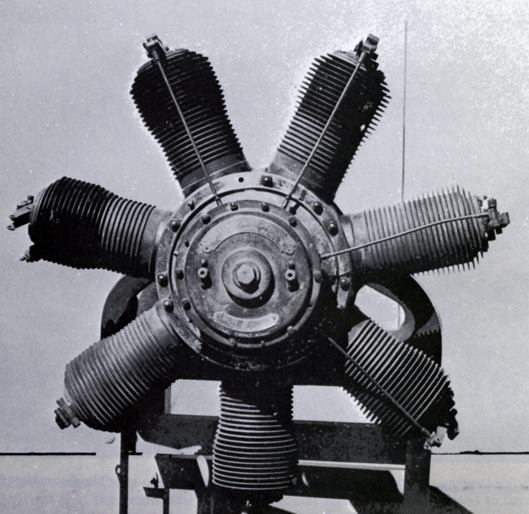
Weston returned to South Africa in 1907 where he first lived near Hoopstad in the Free State and in 1909 settled at Brandfort. During this time he built his first aeroplane. It was, however, underpowered and he took it to France in 1910, where it was modified and fitted with a revolutionary seven-cylinder rotary air-cooled Gnome type engine. Weston also qualified as a pilot in France. The following year he returned to South Africa and on 18 June 1911, gave a flying demonstration in his Weston-Farman aeroplane at Kimberley. In the same year Weston founded the Aeronautical Society of South Africa.