Prophetess Anna Mantsopa Makhetha was born in 1795 at a place called Likotsi or Ramakhetheng near present day Maseru. She is the daughter of Nkopane, elder brother of Makhetha, and Sesilane. The name she was given at birth is Koena-li-fule, which means “the crocodiles are feeding/ crocodile feed”. When she was young she witnessed the horrors of famine caused by the Difaqane, which forced many people to turn to cannibalism and sadly this is how she lost her father.
The name Modjadji or Rain Queen refers to a line of queens of the Balobedu (Limpopo province, South Africa) known for their ability to control clouds and rainfall. The origin of the first Rain Queen is shrouded in mystery, but all accounts agree that she is a direct descendent of an old chief from the Karanga kingdom of Monomotapa (southeastern Zimbabwe).
This #MuseumMonday we look at the origins of New Year’s celebrations. As the day has Roman origins, we must do as the Romans did: Make merry!
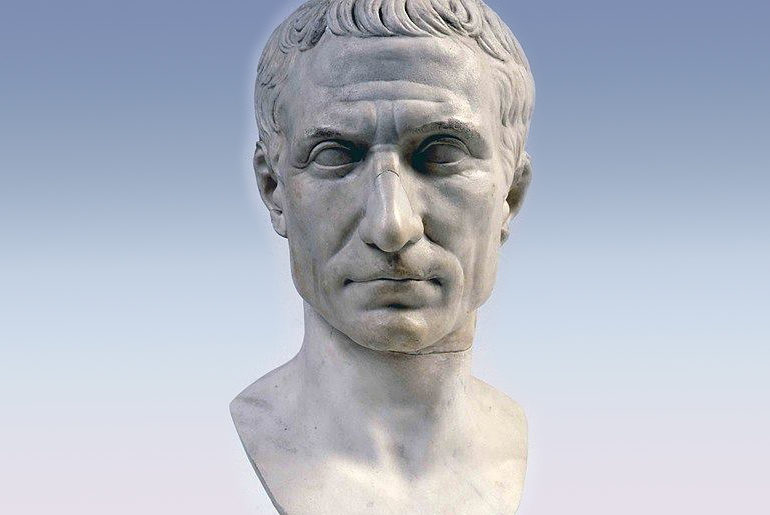
In 45 B.C., New Year’s Day is celebrated on January 1 for the first time in history as the Julian calendar takes effect.Soon after becoming Roman dictator, Julius Caesar decided that the traditional Roman calendar was in dire need of reform. Introduced around the seventh century B.C., the Roman calendar attempted to follow the lunar cycle but frequently fell out of phase with the seasons and had to be corrected. In addition, the pontifices, the Roman body charged with overseeing the calendar, often abused its authority by adding days to extend political terms or interfere with elections.