Most South Africans with a reasonable knowledge of their motherland’s recent history will have heard of Bram Fischer. A substantial percentage of them will certainly be able to mention that he is a struggle hero comparable to the likes of Joe Slovo and Walter Sisulu. Mention the name Molly Fischer, however, and chances are that most people will never have heard of her. She was none other than Bram Fischer’s wife and during her relatively short life (1908-1964) she was as committed to the liberation struggle as her famous husband was.
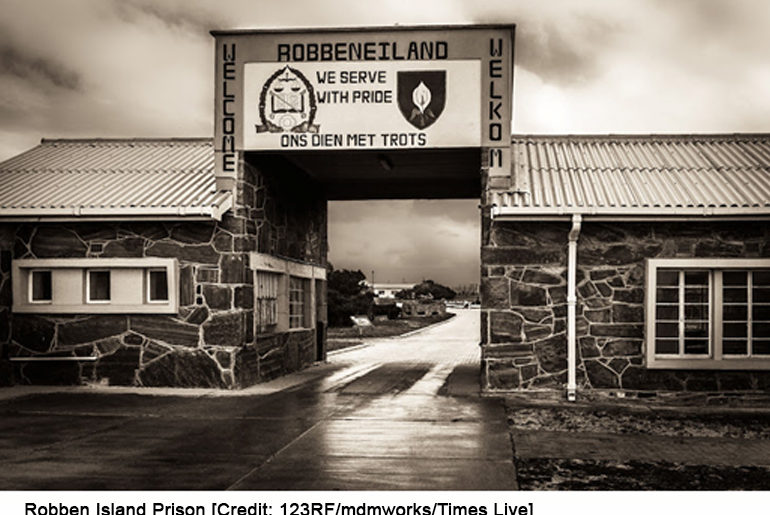
For over three centuries Robben Island, an offshore island within sight of the City of Cape Town, was used by successive governments as a penal settlement and isolation centre. Its detention centres served to safeguard the surrounding society. From the outset the island’s institutions followed a treatment regime that was harsh. During the apartheid years (1948 – 1994), it served as the primary place of detention for anti-apartheid activists who fought for the overthrow of the minority-ruled state.
Digaretene and the 1947 royal visit in Bloemfontein: an oral history overview
The narrative of Digaretene in Bochabela Township, East of Bloemfontein, dated back to 1947 when the British Royal family – King George VI, his wife Queen Elizabeth and their two daughters, Princess Elizabeth (the current Queen Elizabeth) and Princess Margaret – visited South Africa.
King George VI and his Royal family visited Bloemfontein as part of their tour of South Africa. The reason for the visit was to thank South Africa for the support that the country gave Britain during the Second World War [WWII]. The Municipality of Bloemfontein organized the construction of 24 houses, 12 built in Abdurahman Street and 12 built in Nyokong Street.
Opsomming
Bloemfontein se munisipale trembedryf wat vanaf 1915 tot 1937 bestaan het, was die eerste openbare vervoerstelsel van die stad. Wat dié bedryf merkwaardig maak, was die baanbrekerswerk wat Bloemfontein op die terrein verrig het deur die eerste hoofstad in Suid-Afrika te word wat ’n elektriese spoorlose tremstelsel tot stand gebring het.
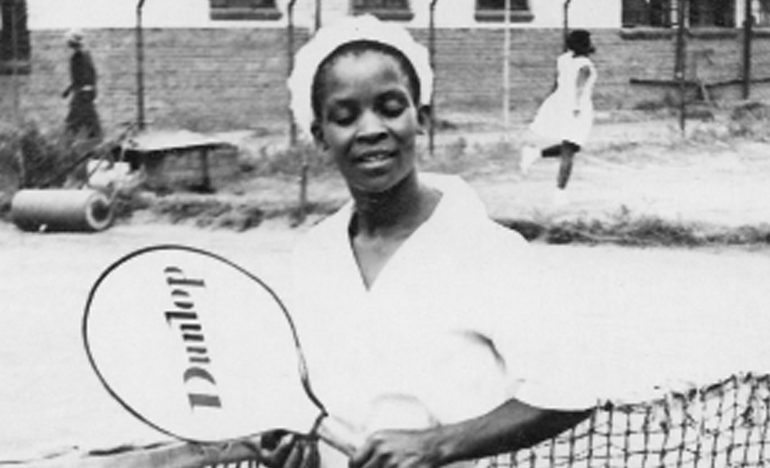
With the recent passing of Miss Matlhaodi Rahab Kgomo, an important era in the history of Bloemfontein came to an end. In addition to being one of the last of her generation to have witnessed the visit of the British Royals to Bloemfontein in 1947, which in her case was sealed with a gift of a cup and saucer, Rahab Kgomo was one of the pioneers who contributed to the establishment and further development of a distinct tennis tradition within the black communities of the Free State in general and Greater Bloemfontein/Mangaung in particular. Another tennis legend from Kgomo’s era was the late Gobuiwang Junia [‘Zero’] Tlhobelo who passed away 10 years ago.