Submit an article to Indago - a peer reviewed journal
Category

Culna Articles

Category

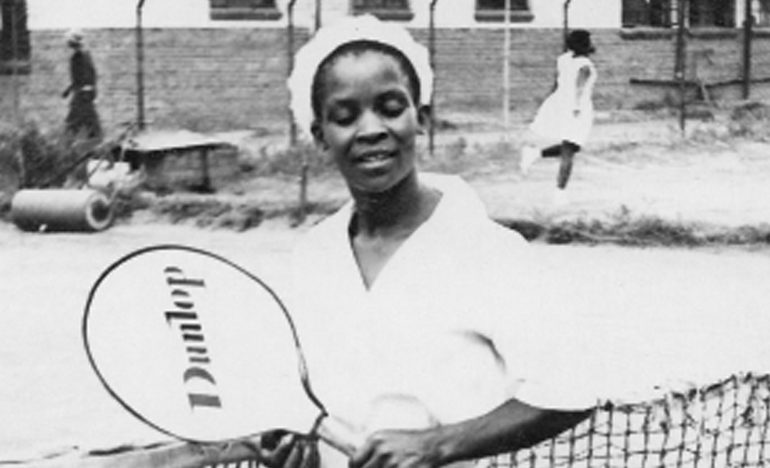
With the recent passing of Miss Matlhaodi Rahab Kgomo, an important era in the history of Bloemfontein came to an end. In addition to being one of the last of her generation to have witnessed the visit of the British Royals to Bloemfontein in 1947, which in her case was sealed with a gift of a cup and saucer, Rahab Kgomo was one of the pioneers who contributed to the establishment and further development of a distinct tennis tradition within the black communities of the Free State in general and Greater Bloemfontein/Mangaung in particular. Another tennis legend from Kgomo’s era was the late Gobuiwang Junia [‘Zero’] Tlhobelo who passed away 10 years ago.
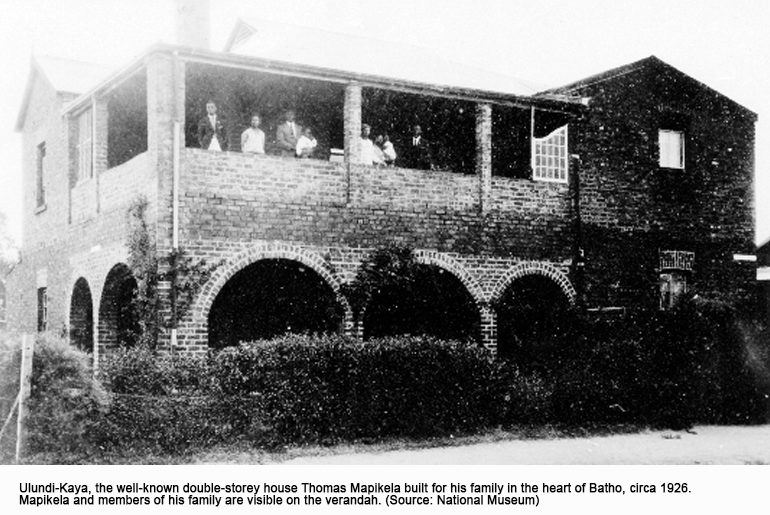
In 2018 Batho, Bloemfontein’s oldest existing historically-black township or so-called ‘location’, celebrates its centenary. Compared to other South African townships of similar size and age, Batho is no ordinary township because of its rich and colourful history. During the past 100 years much had happened there, most notably on a socio-political level. For example, consider the fact that the well-known founder-member and first speaker of the South African Native National Congress (later ANC), Thomas Mapikela, lived in Batho until his death in 1945.

Rachel Thoka was born around 1825, apparently in a West African country. As a young girl she was sold in the slave market in Cape Town to a white farmer, Sarel Griesel, whose wife wanted a young slave. In typical Afrikaner tradition of the time, the Griesels gave her a new name taken from the Bible, namely Rachel, and she learned to speak Dutch.

Although slavery was abolished in the Cape Colony on 1 December 1834, Rachel remained in the service of the Griesels and during the Great Trek (c. 1834–1838) travelled with them into the Transgariep (today Free State) and Natal.

Date: 9 April 2019, Bloemfontein

The National Museum, Bloemfontein today unveiled the complete skull and skeleton of Tapinocaninus, which was a 3-metre long dinocephalian, an ancient ancestor of mammals.

The specimen is the most complete dinocephalian yet discovered and has been beautifully prepared by the University of the Witwatersrand. The fossil was loaned to the University as several blocks of rocks 29 years ago. It has now been returned to the National Museum as a fully prepared specimen, which will soon be placed on exhibit. A month ago, Bruce Rubidge, Romalo Govender and Marco Romano published the full skeletal description of Tapinocaninus in the Journal of Systematic Palaeontology.

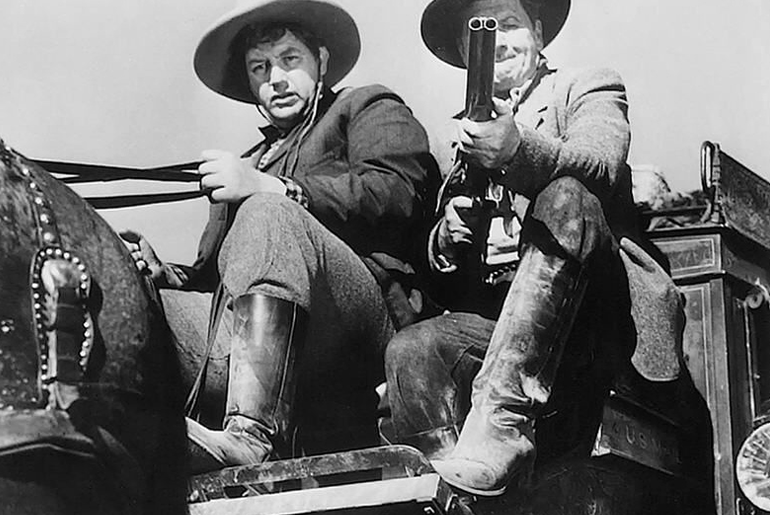
In the late 19th century, before the introduction of the railway, coach travelling became the main mode of transport. The foremost destination was certainly the newly discovered diamond fields at Kimberley. Stagecoach companies such as the Inland Transport Company, the Red Star Line and later the Zeederberg Line strived to transport passengers from the Cape Colony and Natal to the interior of South Africa as quickly and in as much comfort as possible. By 1891 there was a network of 73 stagecoach routes in the Free State.